
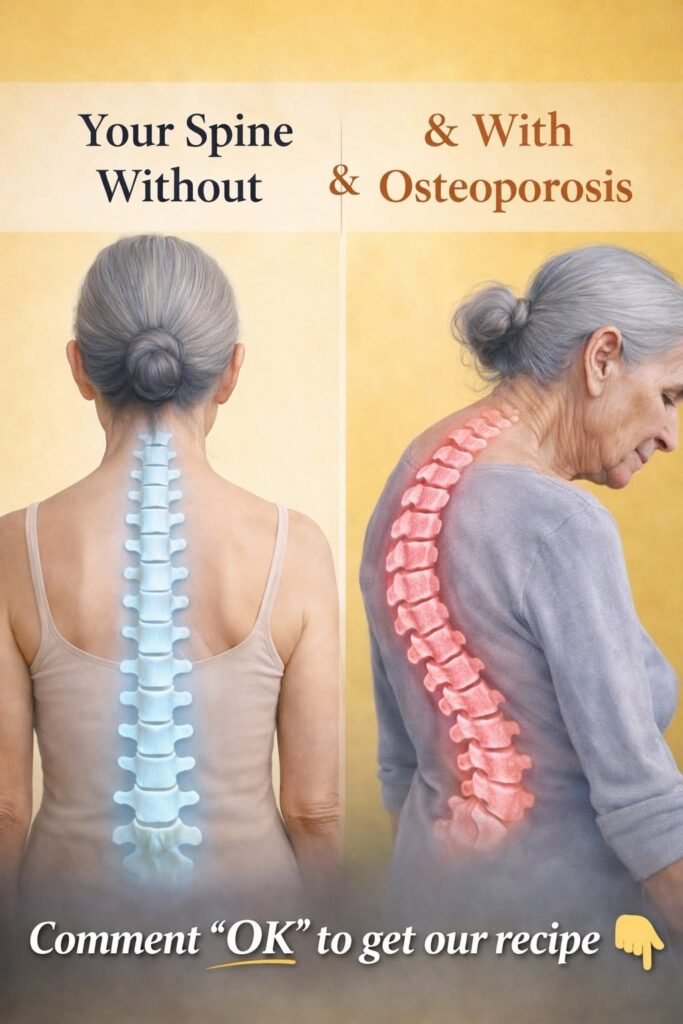
As we age, maintaining strong and healthy bones becomes increasingly important. Osteoporosis is a condition that gradually weakens bones, making them more vulnerable to fractures, even during ordinary daily activities.
The spine is particularly vulnerable to osteoporosis. When the bones of the spine become weakened, they may develop compression fractures, resulting in back pain, reduced height, and changes in posture.
Although osteoporosis is more common in older adults, especially women after menopause, it can also affect men and younger individuals.
Understanding the causes, recognizing the warning signs, and adopting healthier daily habits can help protect your bones and reduce the risk of complications.
What Is Osteoporosis?
Osteoporosis is a medical condition that develops when bones lose density and structural strength. Healthy bones are continuously renewed through a natural process in which old bone tissue is replaced with new tissue.
However, when bone loss occurs faster than new bone formation, bones gradually become weaker.
Osteoporosis is often called a silent disease because many people do not experience noticeable symptoms until a fracture occurs. The spine, hips, and wrists are particularly susceptible.
NIAMS+1
How Osteoporosis Affects Your Spine
The spine consists of individual bones called vertebrae, which support your body and protect your spinal cord.
When osteoporosis weakens these bones, they can become compressed or fractured.
Over time, spinal compression fractures may contribute to:
-
Persistent back pain.
-
Gradual loss of height.
-
A rounded or hunched upper back.
-
Reduced mobility.
-
Difficulty standing for extended periods.
-
Reduced independence during everyday activities.
Not everyone with osteoporosis develops a hunched posture, and posture changes alone cannot confirm the condition.
Common Causes and Risk Factors
Several factors can increase your likelihood of developing osteoporosis.
Aging
Bone density naturally tends to decline as people grow older.
Hormonal Changes
After menopause, declining estrogen levels can accelerate bone loss in women.
Poor Nutrition
A diet lacking sufficient calcium, vitamin D, and protein may negatively affect bone health.
Lack of Exercise
Physical inactivity can contribute to declining bone and muscle strength.
Smoking and Excessive Alcohol Consumption
Both habits can negatively affect bone health and increase fracture risk.
Certain Medications
Long-term use of corticosteroids and certain other medications may increase the likelihood of osteoporosis.
National Institute on Aging
7 Ways to Support Stronger Bones Naturally
1. Include Calcium-Rich Foods in Your Diet
Calcium is an essential mineral that helps maintain healthy bones.
Good dietary sources include milk, yogurt, cheese, sardines with edible bones, calcium-set tofu, kale, and fortified plant-based milk.
For most adults, recommended calcium intake ranges from 1,000 to 1,200 milligrams daily, depending on age and sex.
2. Get Enough Vitamin D
Vitamin D helps the body absorb calcium effectively.
Foods containing vitamin D include fatty fish, egg yolks, and fortified dairy products.
Speak with your healthcare provider if you suspect a deficiency or are considering supplements.
3. Exercise Regularly and Safely
Appropriate weight-bearing and resistance exercises can help maintain bone strength and improve balance.
Walking, resistance band exercises, and supervised strength training may be beneficial.
People with osteoporosis, especially those with spinal fractures, should avoid strenuous spinal twisting and deep forward bending unless advised otherwise by a qualified professional.
Bone Health & Osteoporosis Foundation+1
Continued on the next page →
4. Maintain Adequate Protein Intake
Protein supports muscle maintenance, which plays an important role in balance, mobility, and fall prevention.
Include nutritious protein sources such as eggs, fish, poultry, beans, lentils, yogurt, and nuts in your meals.
5. Improve Your Balance
Falls are a major cause of fractures among older adults.
Appropriate balance exercises, supportive footwear, good lighting, and removing loose rugs from your home can help reduce the likelihood of falling.
6. Practice Healthy Posture
Maintaining comfortable spinal alignment during everyday activities may help reduce unnecessary stress on the spine.
When lifting objects, bend through your hips and knees rather than excessively rounding your back.
A physical therapist can demonstrate appropriate movement techniques based on your individual condition.
7. Avoid Smoking and Limit Alcohol
Adopting healthier lifestyle habits can support long-term bone health and reduce additional health risks.
Homemade Calcium-Rich Banana and Almond Smoothie
This delicious smoothie provides calcium, protein, and other nutrients that contribute to a balanced diet supporting bone health.
Ingredients
-
1 ripe banana
-
1 cup calcium- and vitamin D-fortified milk
-
½ cup plain Greek yogurt
-
1 tablespoon almond butter
-
1 tablespoon chia seeds
-
½ teaspoon ground cinnamon
-
1 teaspoon honey, optional
Preparation
-
Peel the banana and cut it into small pieces.
-
Add the banana, milk, and Greek yogurt to a blender.
-
Add the almond butter, chia seeds, and cinnamon.
-
Blend until smooth and creamy.
-
Add honey if you prefer a sweeter taste.
-
Pour into a glass and enjoy immediately.
Nutritional Benefits
Milk and yogurt provide calcium and protein, while almond butter and chia seeds contribute healthy fats and additional nutrients. Fortified milk can also provide vitamin D.
This smoothie is a nutritious addition to your diet, but it cannot cure osteoporosis, repair spinal fractures, or replace prescribed medical treatment.
Other Foods That Support Bone Health
A varied and balanced diet can help provide the nutrients your body needs.
| Food | Important nutrients |
|---|---|
| Greek yogurt | Calcium and protein |
| Sardines with bones | Calcium and vitamin D |
| Salmon | Vitamin D and protein |
| Almonds | Magnesium and healthy fats |
| Kale | Calcium and vitamin K |
| Eggs | Protein and vitamin D |
| Chia seeds | Calcium and magnesium |
| Lentils | Protein and magnesium |
How Is Osteoporosis Diagnosed?
Because osteoporosis often develops without noticeable symptoms, medical screening is particularly important.
A bone density scan, commonly known as a DXA scan, measures bone mineral density and helps healthcare professionals evaluate fracture risk.
Depending on your results and medical history, your doctor may recommend lifestyle changes, nutritional support, or prescription medications designed to reduce fracture risk.
NIAMS
Frequently Asked Questions
Can osteoporosis be reversed naturally?
Healthy habits can help slow bone loss and support bone strength. However, lifestyle changes alone may not be sufficient to treat established osteoporosis. Medical treatment can be necessary.
Is walking good for osteoporosis?
Walking is a beneficial weight-bearing activity for many people. Combining it with suitable strength and balance exercises may offer additional benefits.
Can drinking milk prevent osteoporosis?
Milk provides important nutrients, but no single food can guarantee protection against osteoporosis.
Does osteoporosis always cause back pain?
No. Many people experience no symptoms until a fracture develops.
Can osteoporosis affect men?
Yes. Although osteoporosis is more common among older women, men can also develop the condition.
When Should You Seek Medical Attention?
Consult a healthcare professional if you notice unexplained height loss, increasing changes in posture, persistent back discomfort, or fractures following minor injuries.
Sudden, severe back pain, particularly after a fall or minor movement, requires prompt medical assessment.
Final Thoughts
Taking care of your bones is a lifelong commitment. A nutritious diet, appropriate physical activity, healthy posture, fall prevention, and regular medical checkups can help protect your mobility and independence.
While homemade nutritious recipes can support bone health, osteoporosis is a medical condition that deserves proper diagnosis and evidence-based treatment.
For additional information, visit the National Institutes of Health osteoporosis resource.
Disclaimer: This article is provided for educational purposes only and does not replace professional medical advice, diagnosis, or treatment.
