
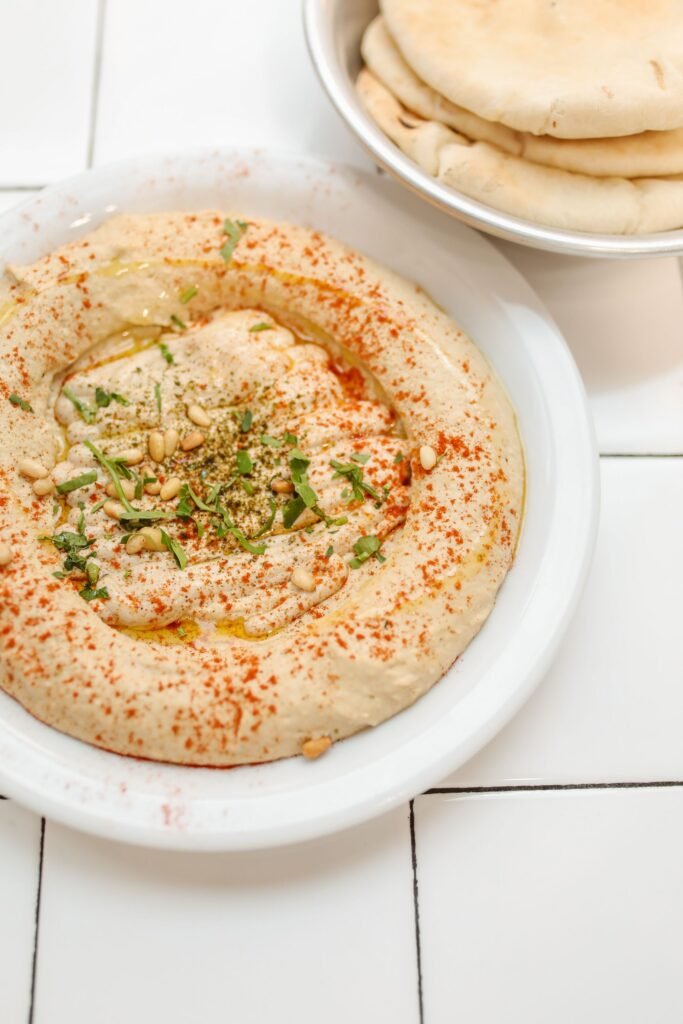
Homemade hummus is a versatile dish that fits easily into everyday meals, snack boards, and shared spreads.
Its smooth texture and mild, savory flavor make it a popular choice for casual lunches, family dinners, and entertaining.
What makes hummus especially useful is how easily it adapts to different serving styles and flavor preferences.
Homemade Hummus
Ingredients
Equipment
Method
- Blend the Base
- Add the chickpeas, tahini, lemon juice, olive oil, garlic, cumin, and salt to a food processor.
- Process Until Smooth
- Blend for 1 to 2 minutes, stopping to scrape down the sides as needed.
- Adjust the Texture
- Add the cold water, 1 tablespoon at a time, and continue blending until the hummus is smooth and creamy.
- Taste and Adjust
- Taste the hummus and add a little more salt, lemon juice, or cumin if desired.
- Transfer to a Bowl
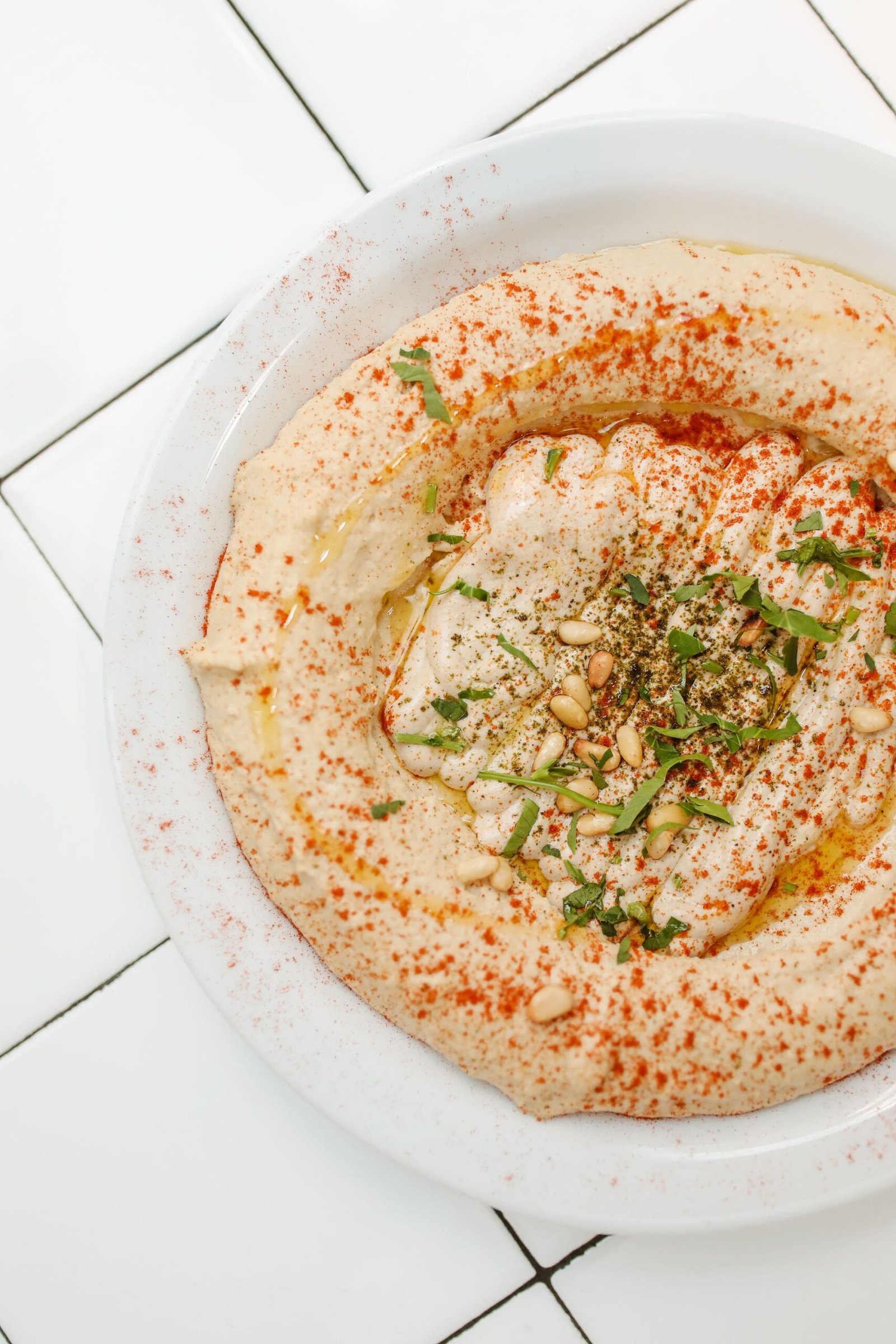
- Spoon the hummus into a serving bowl and smooth the surface with the back of a spoon.
- Add the Toppings
- Drizzle with olive oil and sprinkle with paprika, chopped parsley, and pine nuts if using.
- Serve
- Serve with warm pita bread, fresh vegetables, crackers, or use as a spread in wraps and sandwiches.
Notes
Why Homemade Hummus Is So Popular
Hummus is incredibly versatile.
You can serve it as part of a casual snack board, add it to a Mediterranean-style lunch, or use it as a spread in sandwiches and wraps.
It also works well for meal prep because it can be made ahead of time and kept chilled until needed.
Another reason people love hummus is how easy it is to customize. You can keep it classic or add different seasonings, herbs, roasted vegetables, or spices.
The Secret to Great Hummus Texture
A good hummus should be smooth, balanced, and pleasant to eat.
Its texture should feel creamy without being too heavy, making it easy to enjoy with pita bread, fresh vegetables, wraps, or other dishes.
The overall quality depends on achieving a good balance between creaminess, freshness, and flavor.
How to Make Hummus Look More Appetizing
Presentation can make a simple bowl of hummus feel more inviting and polished.
A clean serving bowl and a smooth, even surface can already make a big difference. Creating a few gentle swirls on top also gives the hummus a more appealing, restaurant-style look.
For an attractive presentation, focus on contrast, neatness, and serving the hummus in a way that makes it easy to scoop and share.
What to Serve With Hummus
Hummus fits naturally into many different meals, from casual lunches to larger shared spreads.
It works especially well as part of a mezze-style table, alongside grilled foods, or added to grain bowls and simple lunch plates.
Its mild, creamy flavor also helps balance richer or more strongly seasoned dishes, making it a versatile addition to many meal combinations.
Easy Ways to Customize Hummus
One of the best things about hummus is how easy it is to personalize.
You can add smoked paprika for a deeper flavor or fresh herbs for a brighter finish.
Roasted red peppers can add sweetness and color, while roasted garlic gives the hummus a richer taste.
For a more vibrant version, some people also use ingredients such as beetroot or herbs to create different colors and flavors.
How to Store Homemade Hummus
Homemade hummus should be kept refrigerated in a covered, airtight container.
For the best quality, avoid leaving it at room temperature for long periods, especially during meals, parties, or outdoor serving.
The FDA recommends refrigerating perishable foods promptly and following safe food storage practices to reduce the risk of foodborne illness. You can read the official guidance here: FDA – Are You Storing Food Safely?
Official FDA link:
https://www.fda.gov/consumers/consumer-updates/are-you-storing-food-safely
Before serving leftovers, give the hummus a quick stir to refresh the texture.
Why Make Hummus at Home?
Making hummus at home gives you more control over the final flavor and texture.
You can make it smoother, thicker, tangier, milder, or more strongly seasoned depending on your preference.
It also allows you to adjust the toppings and serving style to match the rest of your meal.
A Simple Addition to Any Meal
Hummus is one of those dishes that fits into many different meals.
It can be served as a quick snack, a party dip, a sandwich spread, or part of a larger Mediterranean-style plate.
Its creamy texture, mild flavor, and flexibility make it a reliable recipe to keep in your regular meal rotation.
FAQ About Homemade Hummus
Can hummus be made ahead of time?
Yes. Homemade hummus can be prepared in advance and kept refrigerated until you are ready to serve it.
Is homemade hummus good for meal prep?
Yes. It works well for meal prep because it can be portioned into small containers and added to lunches throughout the week.
Can hummus be served as part of dinner?
Absolutely. Hummus can be included in grain bowls, mezze-style plates, grilled meals, and simple dinner spreads.
Can hummus be customized with different flavors?
Yes. Roasted vegetables, fresh herbs, spices, or garlic can all change the flavor while keeping the same creamy base.
Should hummus be served cold?
It is commonly served chilled or slightly cool, depending on personal preference.
A Versatile Addition to Everyday Meals
Homemade hummus is simple, flexible, and easy to enjoy in many different ways.
Whether it is served as part of a dinner spread, added to a lunch bowl, or offered as a shared dip, it brings a creamy texture and balanced flavor to the table.
Its versatility is one of the main reasons it remains such a popular recipe for home cooks.
