

I keep a jar of dried bay leaves in the cupboard all year, and not just for soups. They are one of those old kitchen staples that quietly do far more than most people realize: they scent a room, lift a pot of beans, freshen a wardrobe, and in a few traditional home uses, they can make winter feel a little easier. If you have ever wondered why people burn a bay leaf at home, the short answer is that its aromatic oils release quickly with heat, and that changes both the smell and the feel of a room.
Below are 20 specific things to know, in order, from the classic ritual of burning a leaf to teas, rinses, sachets, pantry tricks, and a few cold-weather uses I come back to every winter. I’m sticking to practical details: how much to use, how long to leave it, why it may help, and where a little caution matters, especially with smoke, essential oil, pregnancy, pets, and blood sugar concerns.
1. Clear the respiratory system
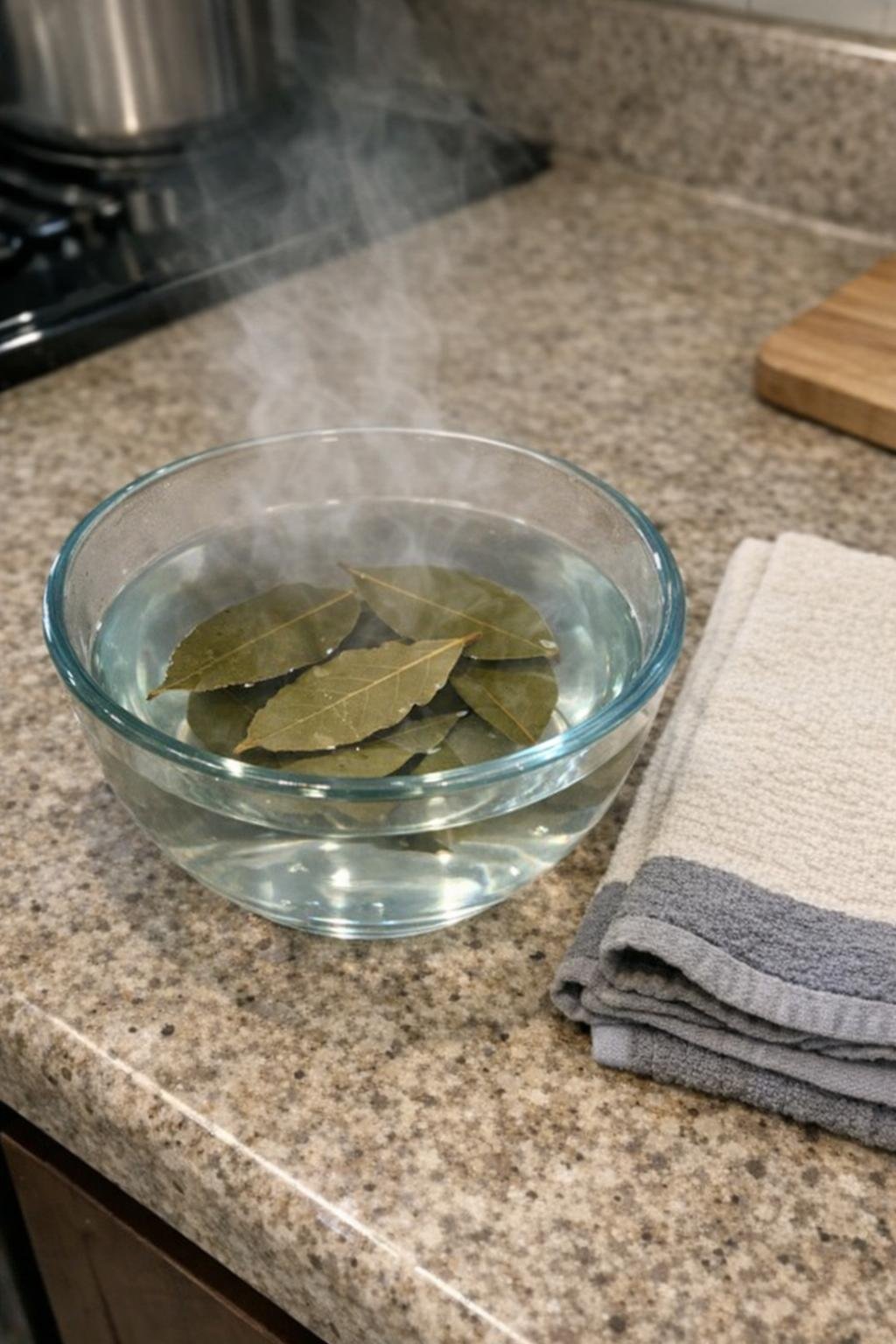
For steam, put 3 or 4 dried bay leaves in a heatproof bowl and pour over about 4 cups of just-boiled water. Drape a towel loosely over your head and the bowl, keep your face 10 to 12 inches back, and breathe the warm steam for 5 to 8 minutes. Another traditional option is to dilute 2 or 3 drops of bay essential oil in 1 teaspoon of carrier oil, then rub it across the upper chest. The warm vapor and aromatic compounds, especially cineole and eucalyptol, are the part people reach for when they feel stuffy.
This is a comfort measure, not a substitute for medical care. Avoid very hot steam if you are prone to dizziness, never apply undiluted essential oil to skin, and stop if it stings or feels irritating.
2. Dandruff
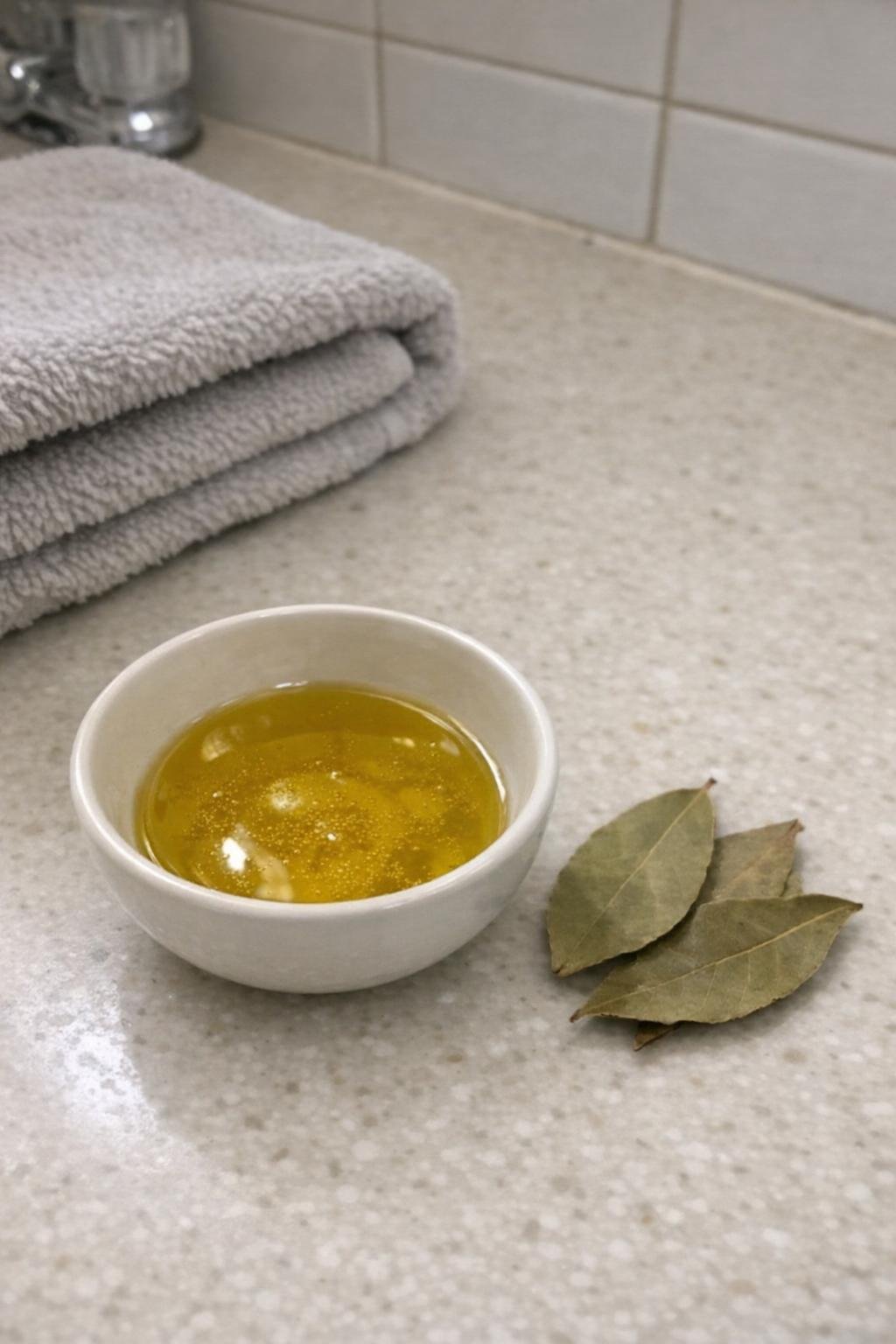
Warm 1 tablespoon of jojoba oil until just lukewarm, then stir in 2 drops of bay essential oil. Massage it into the scalp with fingertips for 2 or 3 minutes, wrap the hair in a warm towel, and leave it on for anywhere from 15 minutes to 1 hour before shampooing thoroughly. Bay’s aromatic oils are traditionally used because they are cleansing and may help reduce the flaky, itchy feeling that often comes with a dry scalp.
Use this once weekly at first. Always patch-test diluted oil on a small area of skin 24 hours ahead, and skip this if your scalp is broken or highly irritated.
3. Blood sugar support
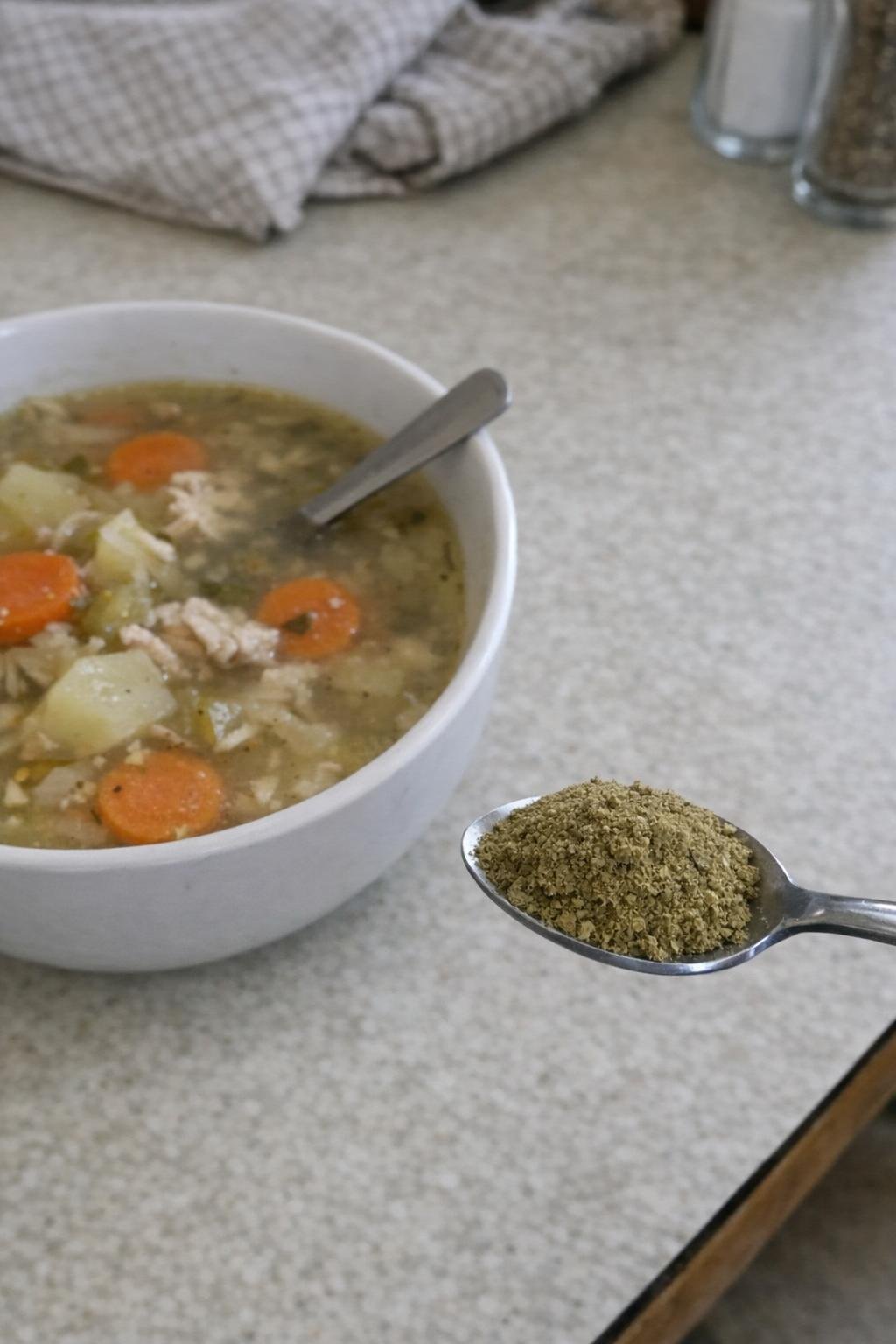
Some people use about 3 grams of ground bay leaf a day, roughly 1 teaspoon, mixed into food such as soup, lentils, rice, or stewed vegetables. Dividing it between two meals is often easier than taking it all at once. The interest here comes from plant compounds in bay that are being studied for effects on glucose handling and inflammation.
This is the one I would be most careful with. If you have diabetes, take blood sugar medication, are pregnant, or have any metabolic condition, only use bay this way with your doctor’s okay. And never eat whole dried bay leaves, which stay stiff and sharp even after cooking.
4. Digestion
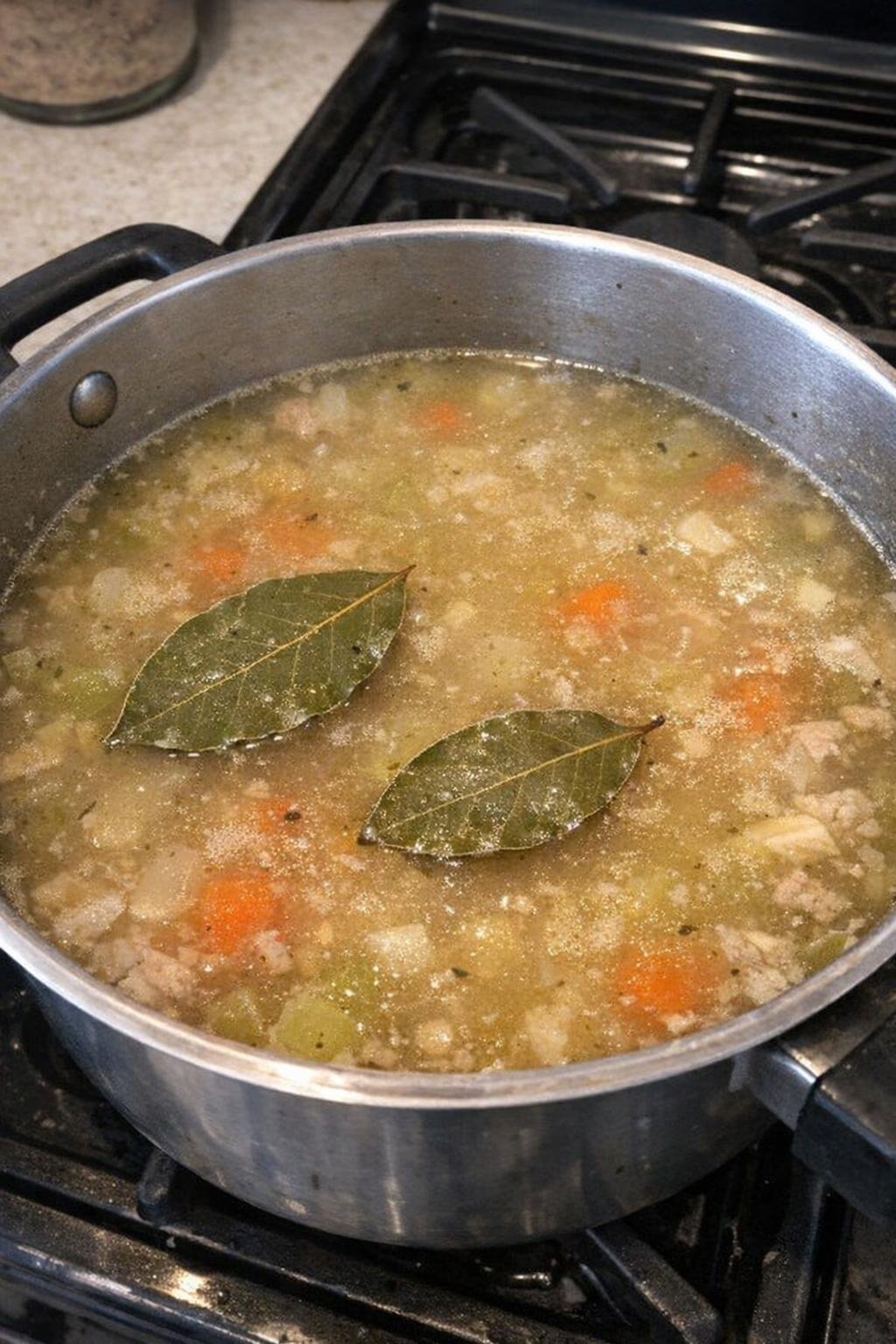
The easiest digestive use is simply to cook with bay regularly. Add 1 or 2 whole leaves to a pot of soup, beans, stock, stew, or rice at the start of cooking, then remove them before serving. If you prefer an external approach after a heavy meal, mix 2 drops of bay essential oil into 1 teaspoon of carrier oil and massage it gently over the stomach for a minute or two. Bay’s warming aroma and bitter-spice character have long been linked with digestive comfort.
I use the cooking method far more often because it asks nothing extra of me. If you use the oil on skin, keep the dilution low and avoid it if your skin is sensitive.
5. Heart health
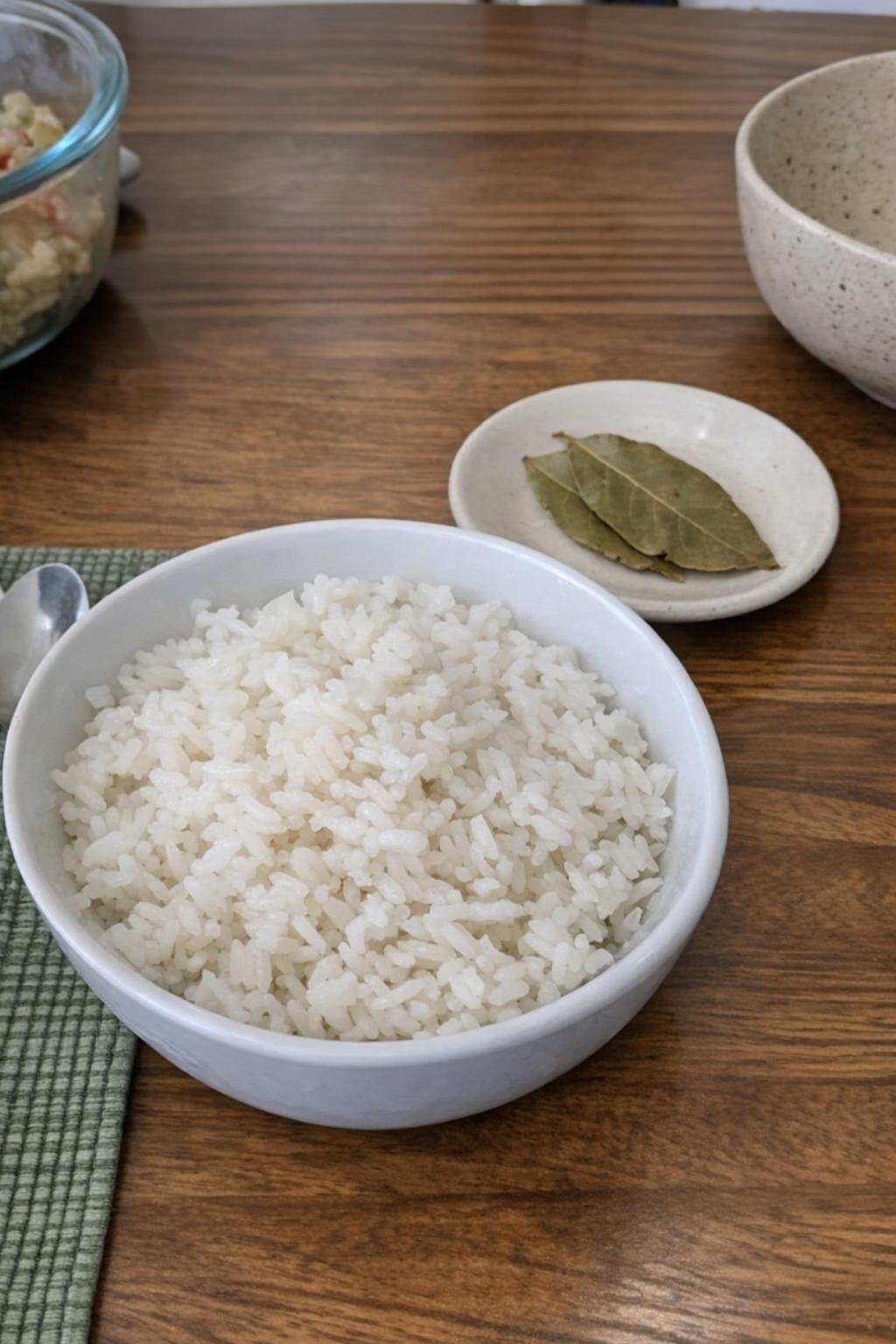
Bay leaf is not a miracle ingredient, but it does contain compounds, including caffeic acid, that are often mentioned in discussions of circulatory support and antioxidant effects. The practical takeaway is to keep it in the weekly rotation: 1 leaf in rice, 2 leaves in a stew, or a leaf tucked into braised vegetables once or twice a week. You are using it as part of a broader pattern of cooking rather than as a quick fix.
That is how I treat it in my own kitchen: small, steady use rather than dramatic claims. As always, remove whole leaves before eating, because they do not soften well and can be a choking hazard.
6. Sore, inflamed joints
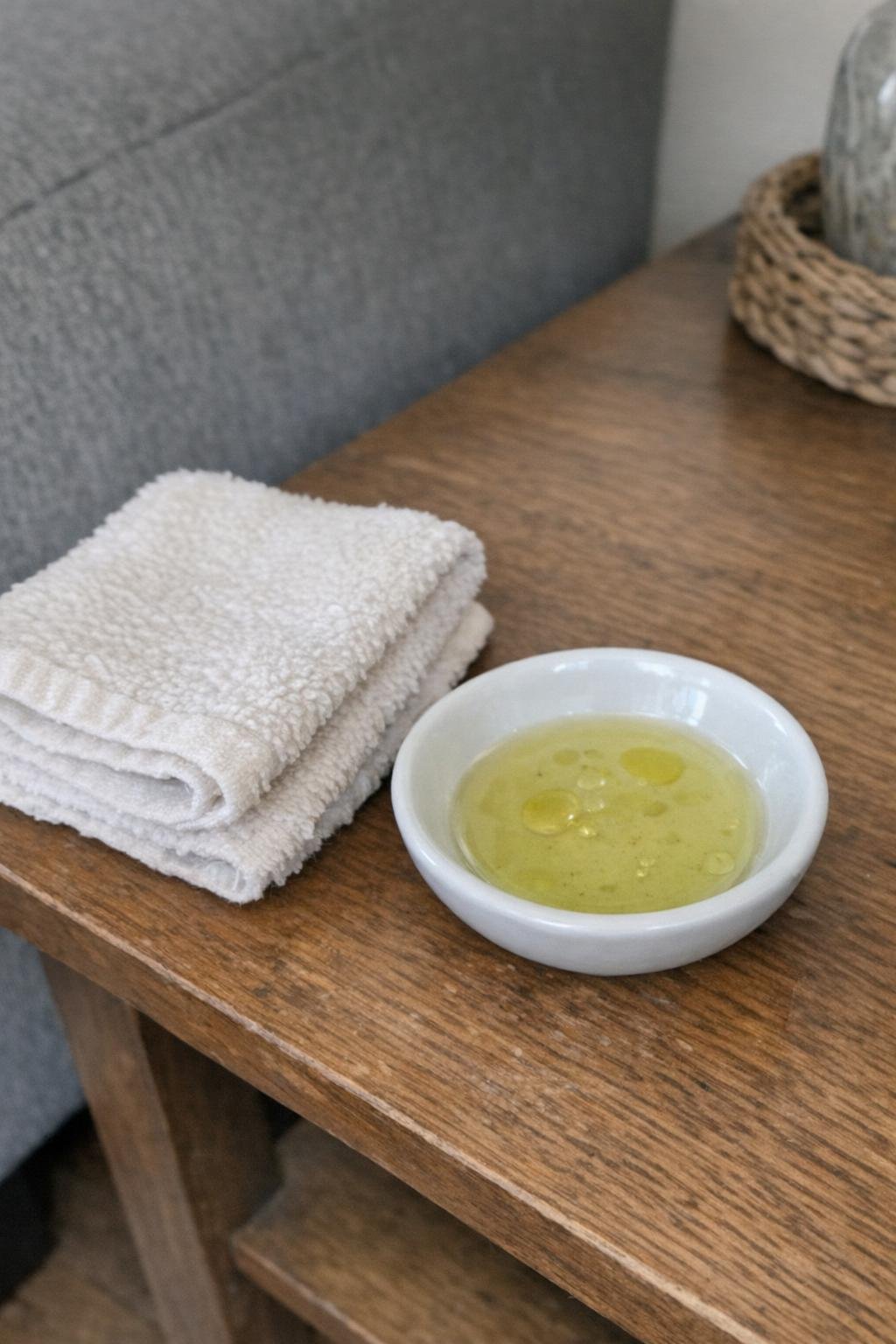
Mix 2 or 3 drops of bay essential oil into 1 tablespoon of a carrier oil such as olive, almond, or jojoba. Rub a small amount over a sore joint, then lay a warm cloth over the area for 5 to 10 minutes. The massage, warmth, and aromatic oils together are why this old remedy feels comforting, especially on stiff days.
Use only on intact skin and never on a fresh injury. If redness or burning starts, wash it off with mild soap and stop using it.
7. Burn a bay leaf for anxiety and fatigue
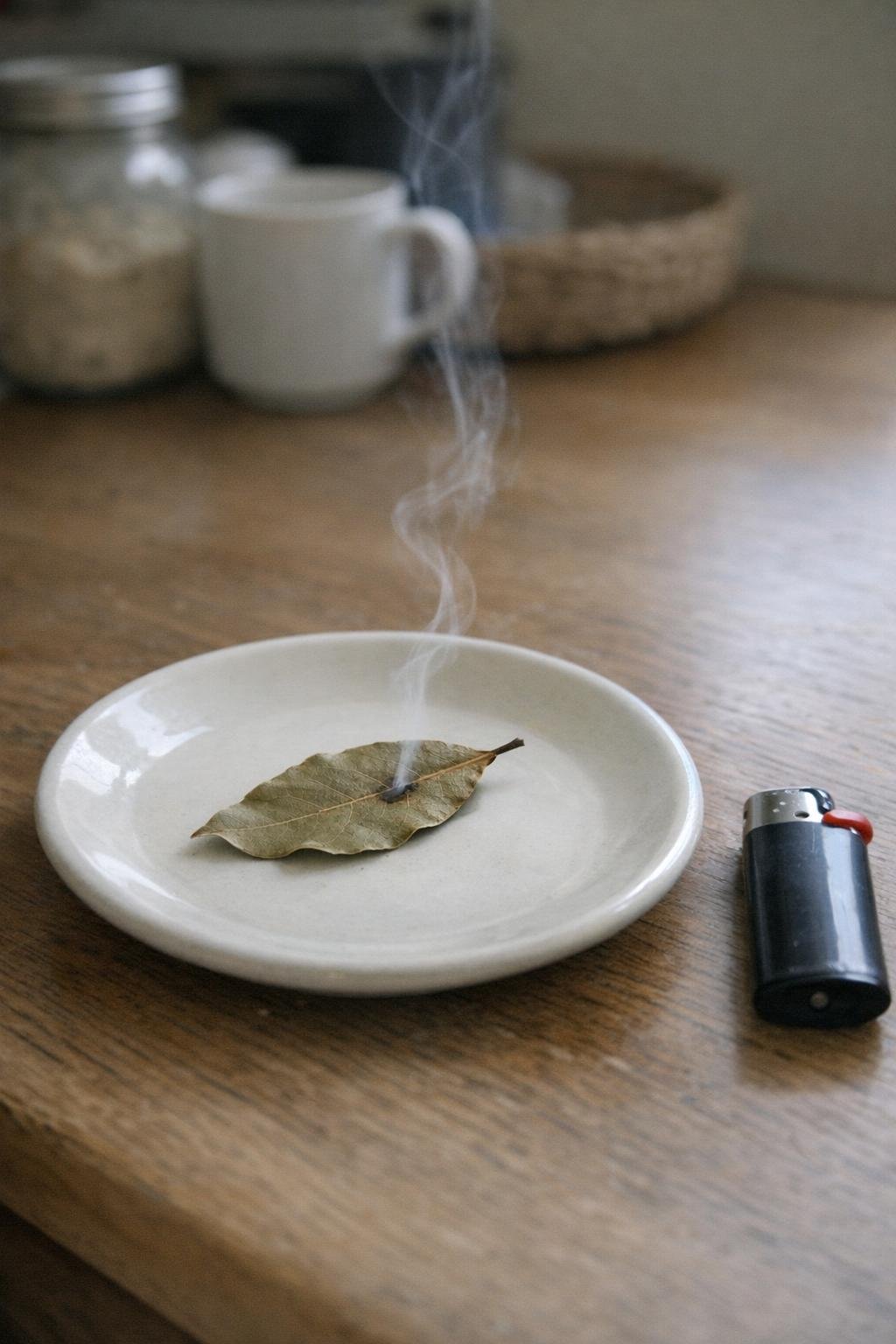
To try the old incense-style use, place 1 or 2 fully dried bay leaves on a ceramic saucer, small metal tray, or other heat-safe dish. Light the edge for a second or two, then blow out the flame so the leaf smolders and gives off a thin stream of smoke. Sit nearby for about 10 minutes in a ventilated room and breathe normally; you do not need to lean over it. The scent comes from volatile oils such as linalool, cineole, and eucalyptol, which many people find calming without being overly sleepy, so the effect is often “settled but still alert.”
I find this works best in the late afternoon, when a room feels stale and my brain feels the same way. Safety matters here: burn only on a heat-safe dish, never leave it unattended, keep curtains and paper away, crack a window, and keep the smoke away from babies, pets, and anyone with asthma or smoke sensitivity.
8. Urinary infections
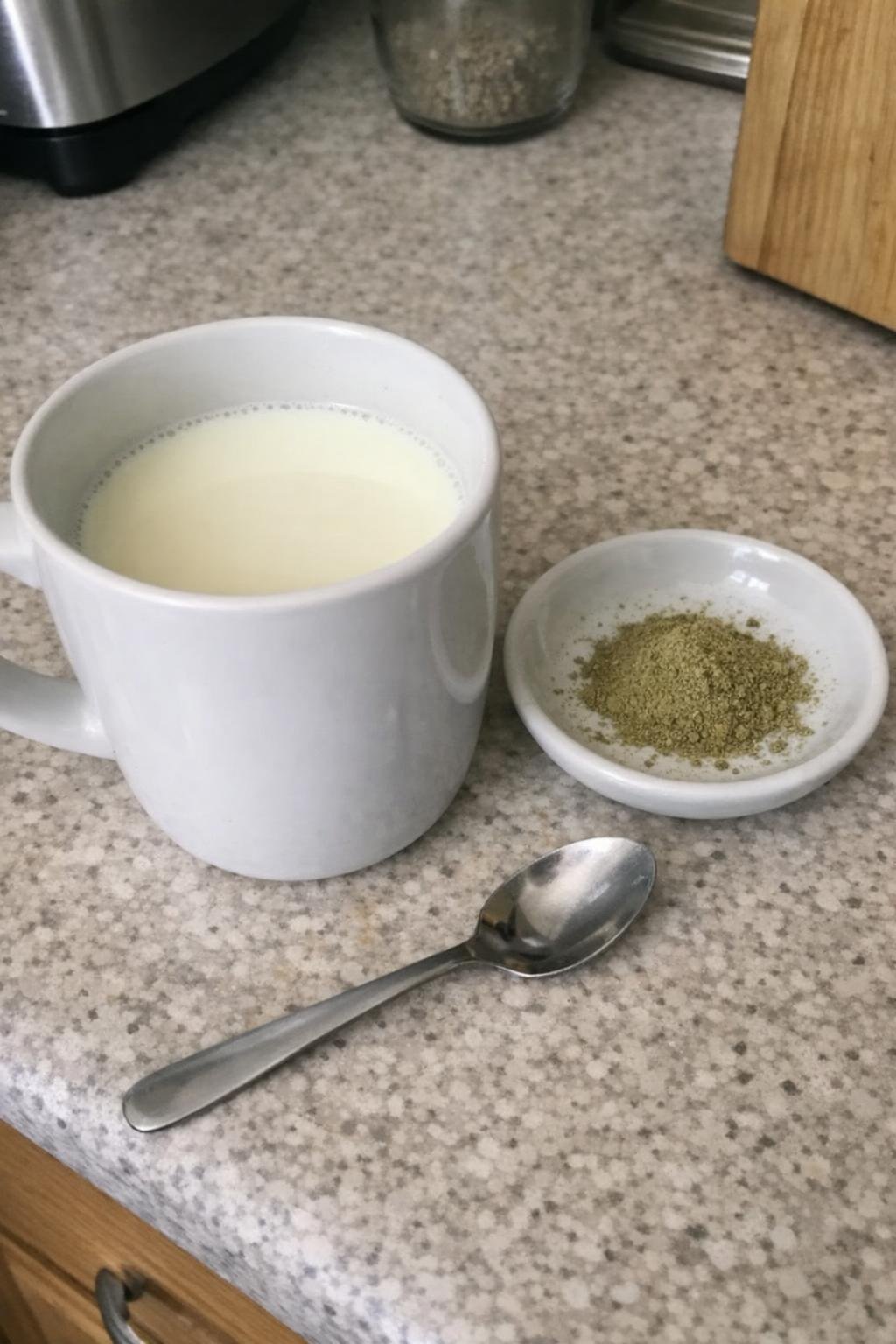
The old recipe is simple: stir a small pinch of powdered bay leaf, about 1/8 teaspoon, into a mug of warm milk and drink it once a day for a short stretch. Historically, people used it as a soothing kitchen remedy while also seeking proper treatment. Bay’s antimicrobial reputation is one reason it shows up in traditional notes like this.
Still, urinary infections need real medical attention. Use this only alongside a doctor’s care, not instead of it, and stop if it upsets your stomach.
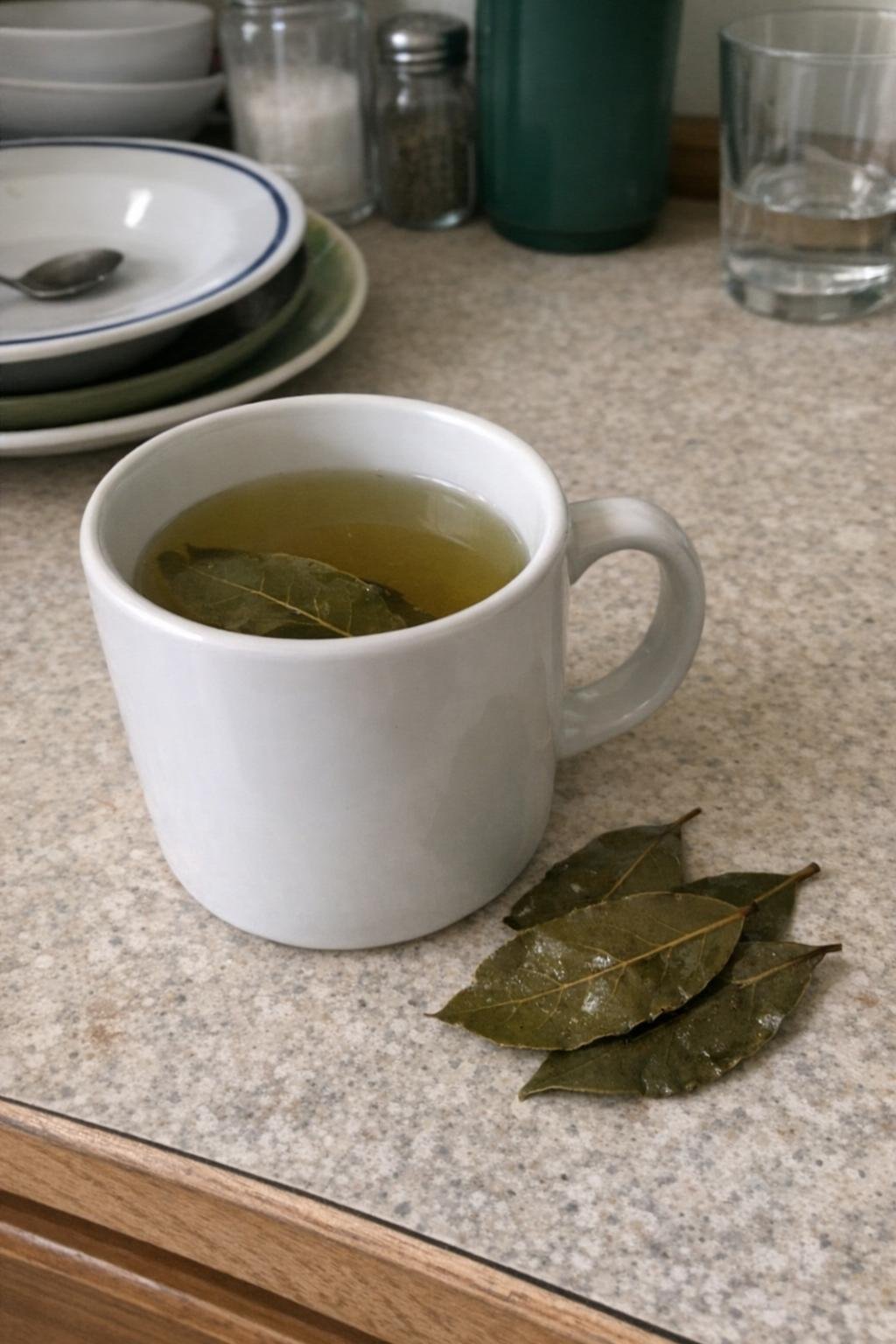
9. Bay leaf tea for bloating
Put 2 or 3 dried bay leaves in a mug or small teapot and pour over 8 to 10 ounces of boiling water. Cover and steep for 10 minutes, then strain and sip slowly after dinner. The warm liquid helps on its own, and bay’s aromatic oils can make the tea feel especially settling after a rich meal.
I would keep this to one cup at a time and not make it overly strong. If you are pregnant or managing a medical condition, ask your doctor before making a daily habit of it.
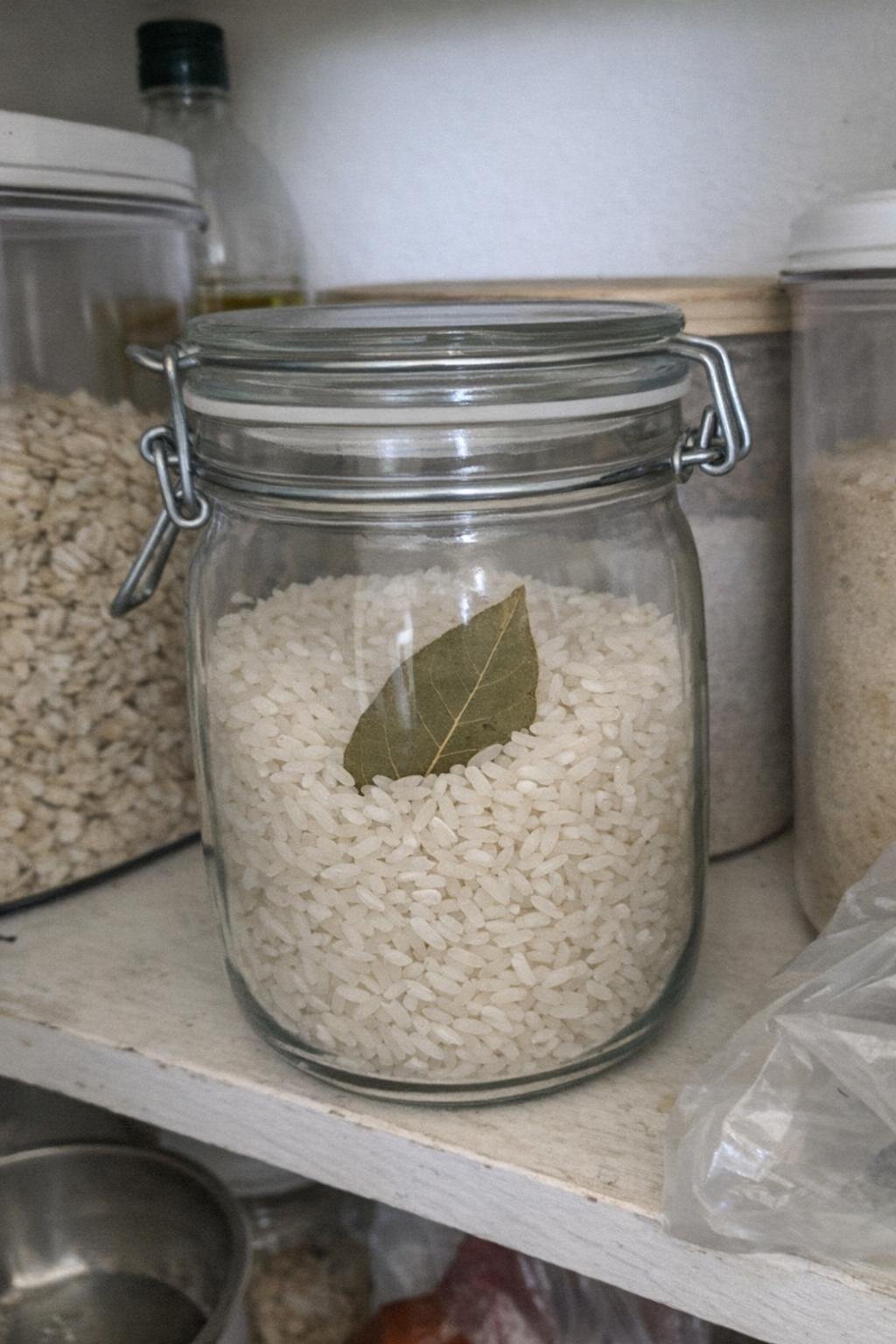
10. Keep weevils and moths out of the pantry
Tuck 1 dried bay leaf into each jar or container of rice, flour, oats, dried beans, or cornmeal. Replace the leaves every 4 to 6 weeks, or sooner if their scent fades. The strong aroma is the point here; pantry pests dislike heavily aromatic storage spaces, and bay has been used this way for generations.
I still do this in winter when dry goods pile up. Make sure the leaf stays whole and visible so no one mistakes it for part of the food, and check pantry staples regularly for freshness anyway.
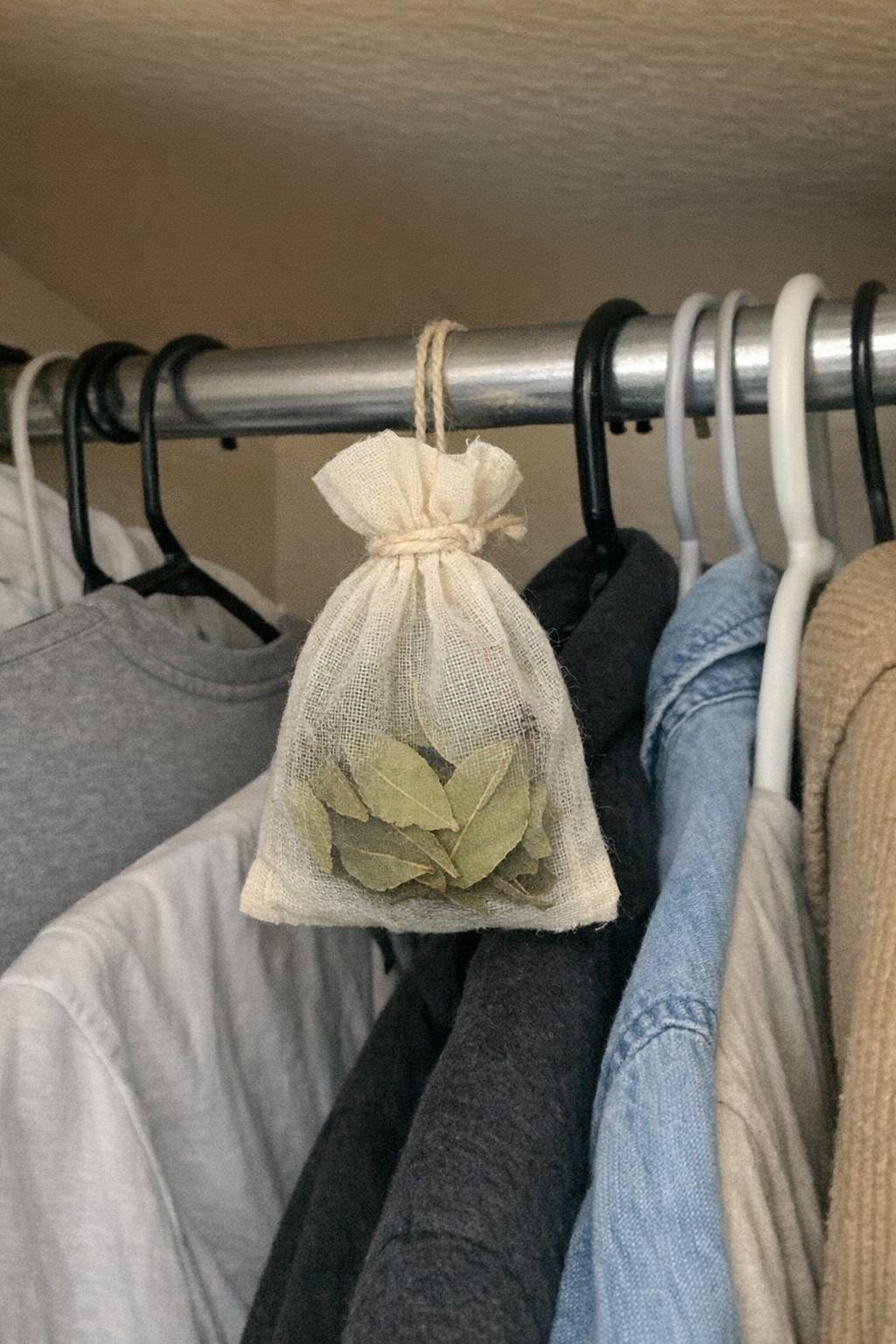
11. Keep moths out of the wardrobe
Fill a small muslin or thin cotton sachet with 4 to 6 dried bay leaves, crushing them lightly once to wake up the aroma, and hang it from the wardrobe rail or lay it in a drawer. Replace the leaves every month or two. The same aromatic oils that make bay useful in the pantry also make clothing storage less inviting to moths.
I like to tuck one near wool sweaters as the seasons change. Keep the sachet breathable rather than sealed tightly, or the scent will not travel well.
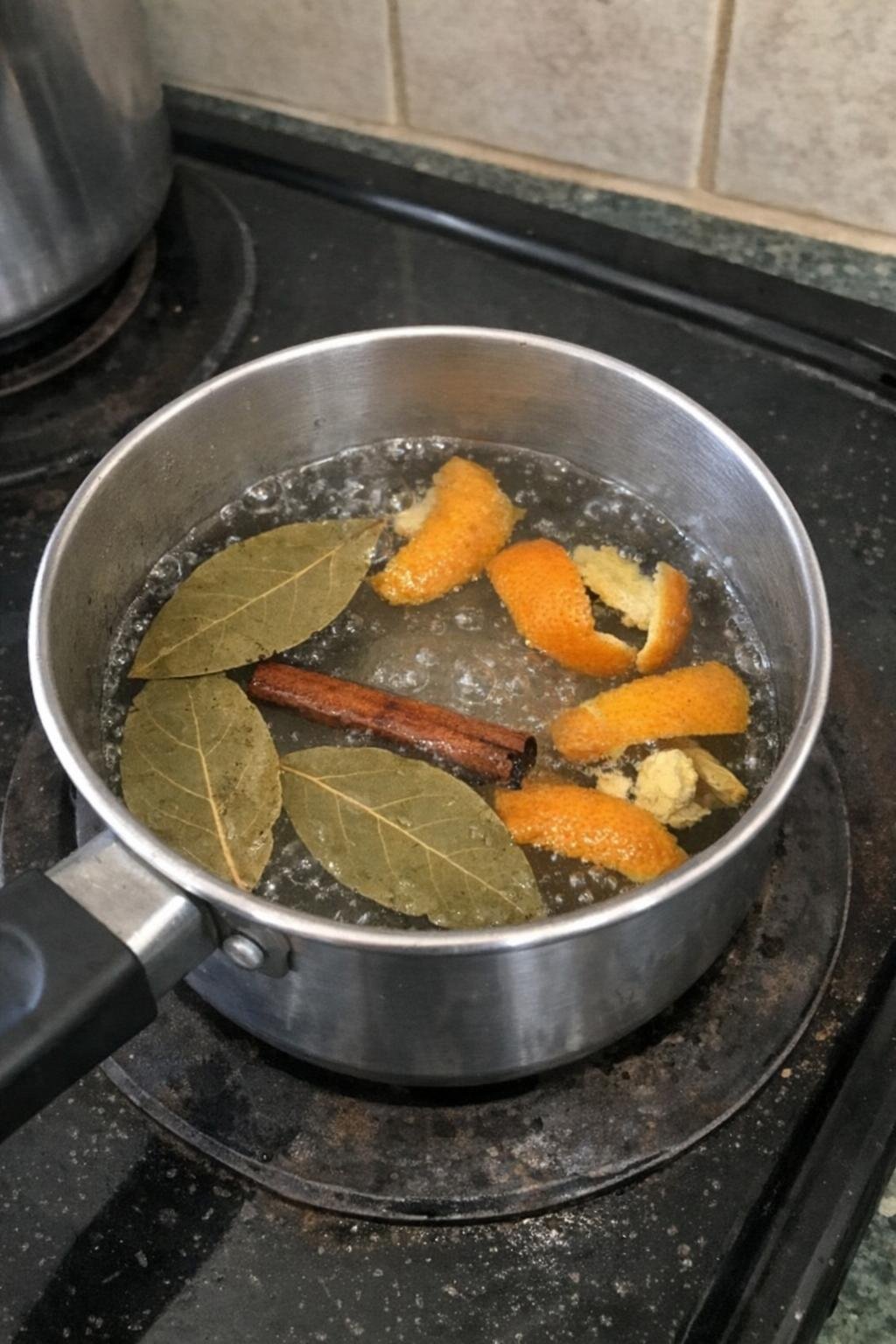
12. A winter simmer pot
Add 3 bay leaves, the peel of 1 orange, and 1 cinnamon stick to a small saucepan with 4 to 6 cups of water. Keep it on the lowest simmer all afternoon, topping up the water as needed so the pan never runs dry. This does not just smell good; the warm steam carries the bay’s oils into the room and makes the house feel less stale during closed-window weather.
This is one of my favorite cold-month habits because it makes an ordinary afternoon feel cozy with almost no effort. Safety note: keep the pot in sight and refill before the water gets low.
13. A bay leaf foot soak for tired, cold feet
Steep a generous handful of dried bay leaves, about 10 to 12 leaves, in 2 quarts of hot water for 10 minutes, then pour the infusion into a basin and add enough warm water to make it comfortable. Soak your feet for 20 minutes. The heat does most of the relaxing, but the aromatic oils add a pleasant warming scent that makes the soak feel more restorative.
This is especially nice after a damp winter walk. Test the water first with your hand so it is warm, not scalding, and dry your feet well afterward.
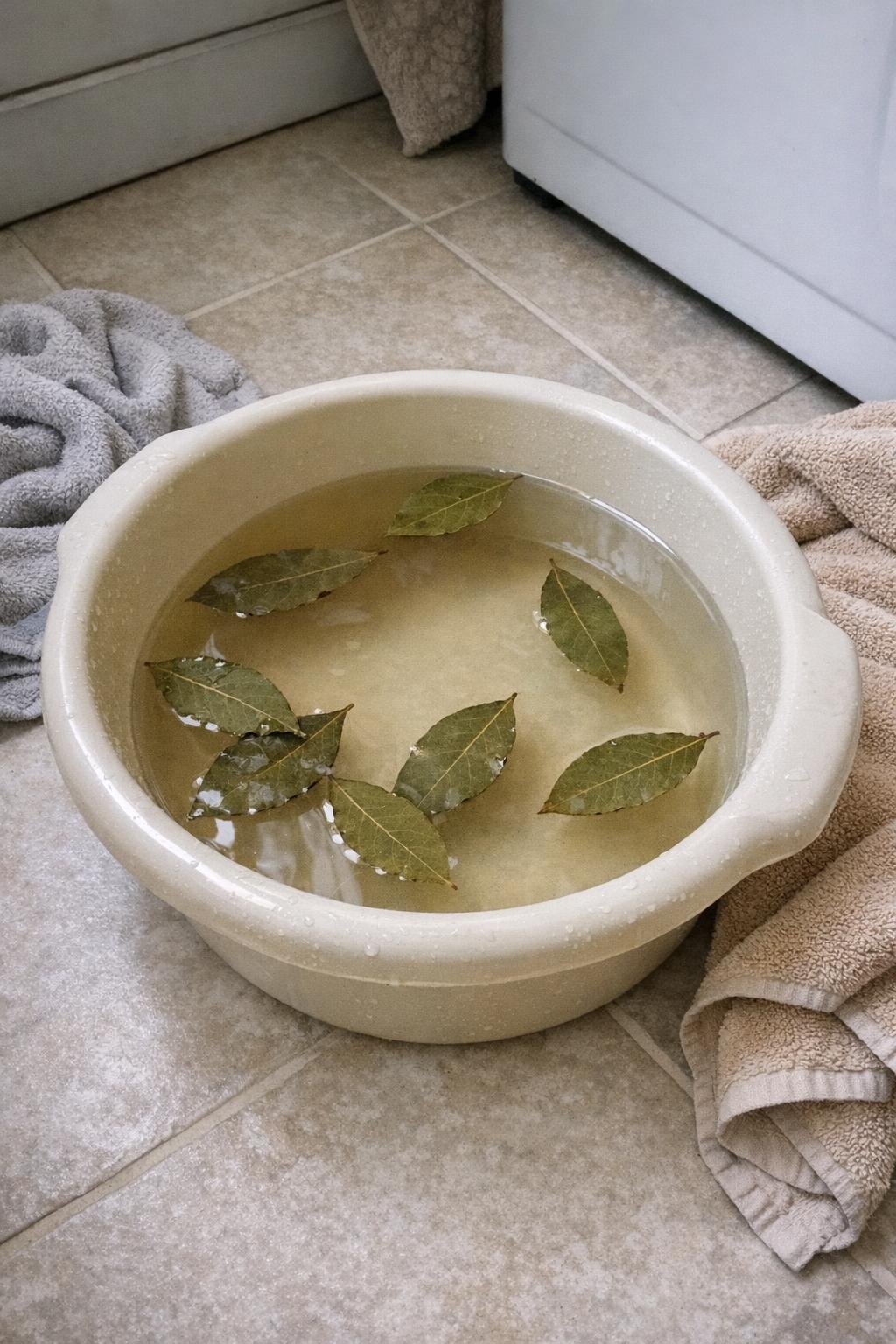
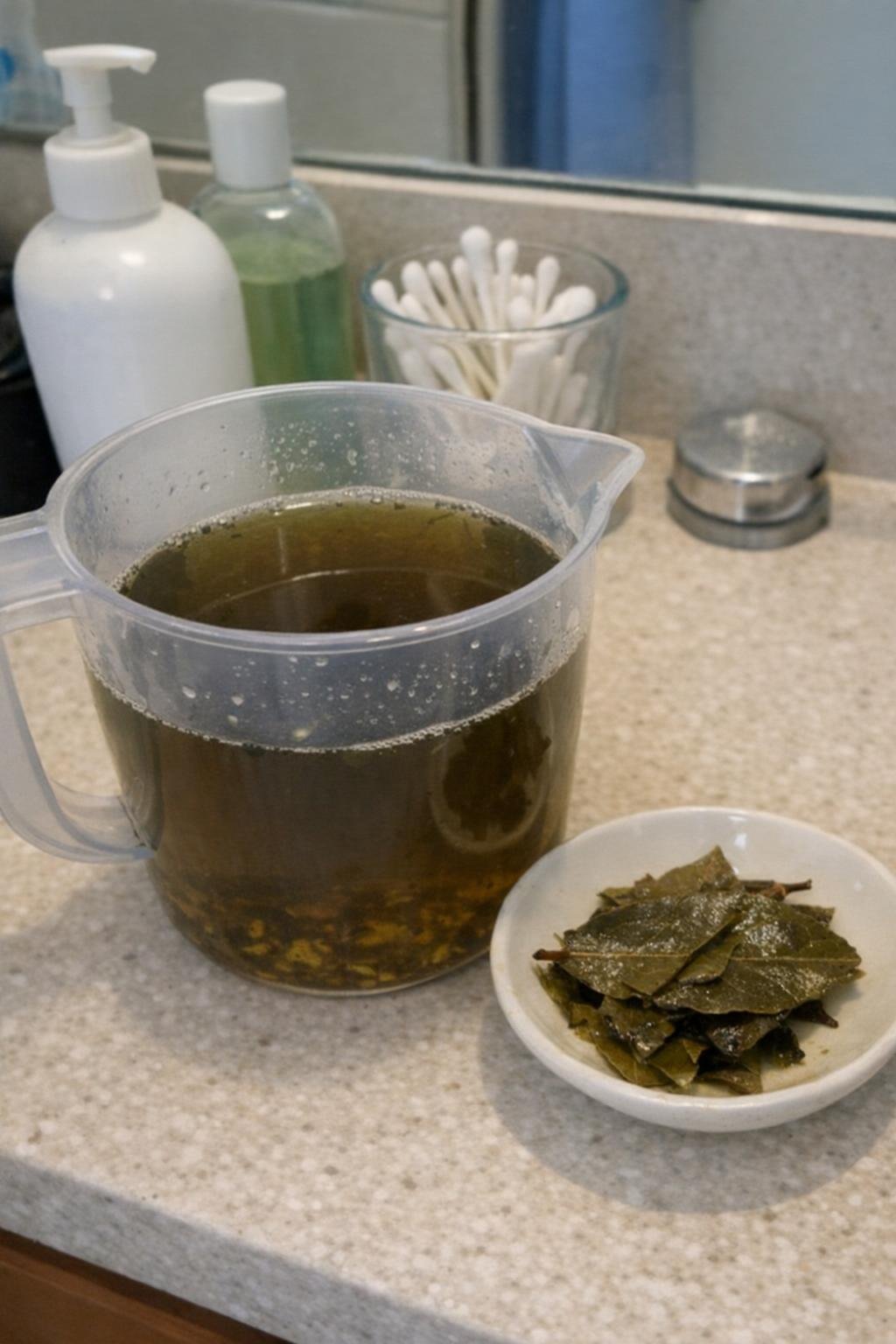
14. A bay leaf hair rinse for shine
Boil 6 to 8 dried bay leaves in 3 cups of water for 10 minutes, then let the liquid cool completely and strain it. After shampooing, slowly pour the rinse through your hair, leave it on for 2 or 3 minutes, and rinse lightly or leave it in if your hair tolerates it well. The infusion is mostly used for the fresh herbal finish and the way it can make hair feel clean and light.
I would start once a week and see how your hair responds. Avoid getting the rinse in your eyes, and discard any leftover liquid after a day or two.
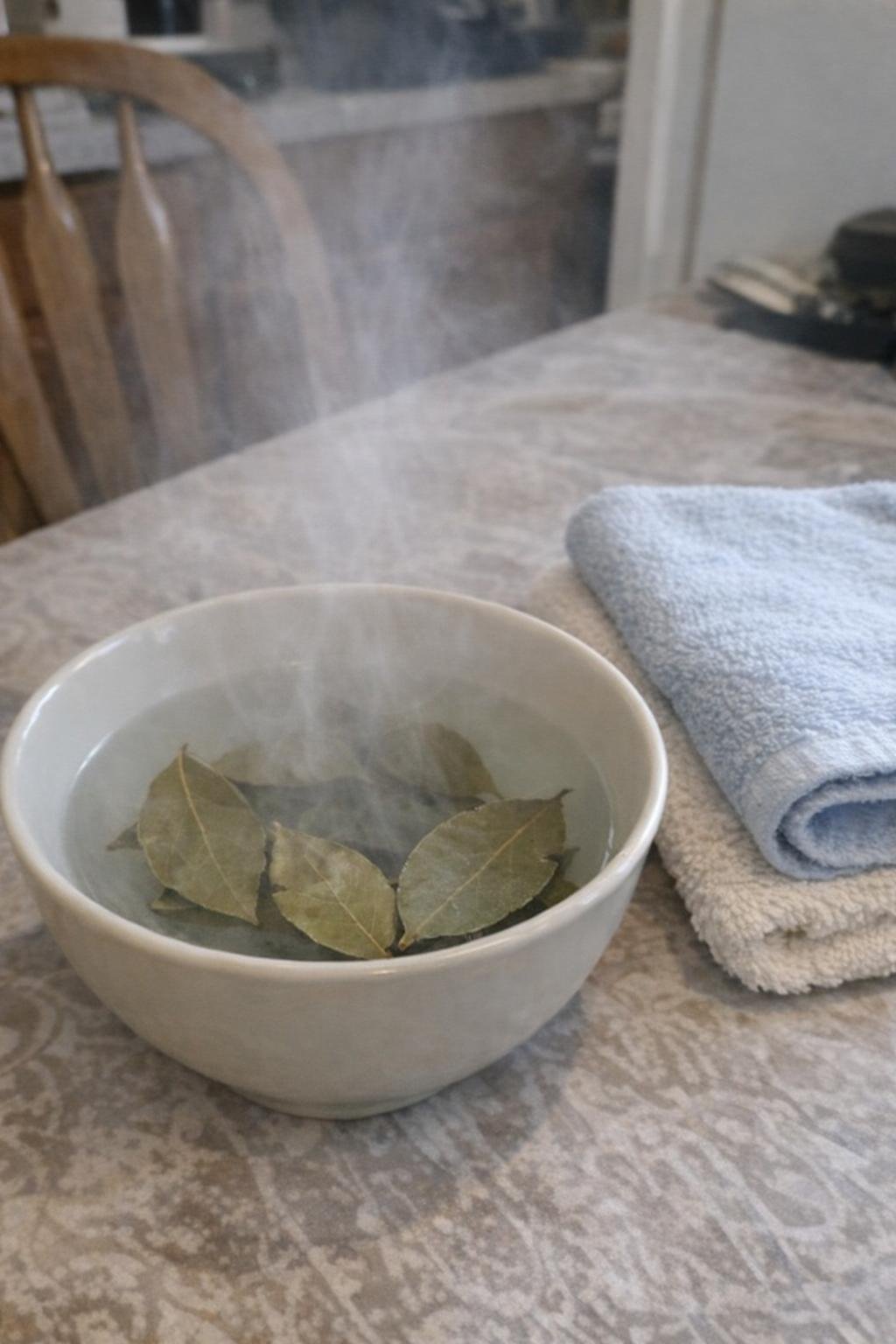
15. A bay leaf face steam for a stuffy winter nose
Put 3 or 4 bay leaves in a bowl and pour over just-boiled water, then lean over it with a towel tented loosely above your head for 3 to 5 minutes. Keep your face back far enough that the steam feels warm, not harsh. This is less about the skin than about the nose: warm vapor plus bay’s cineole-rich aroma can make a blocked, wintery head feel more open for a little while.
Do not do this with very young children, and stop right away if the steam feels too intense. Gentle steam is enough; more is not better.
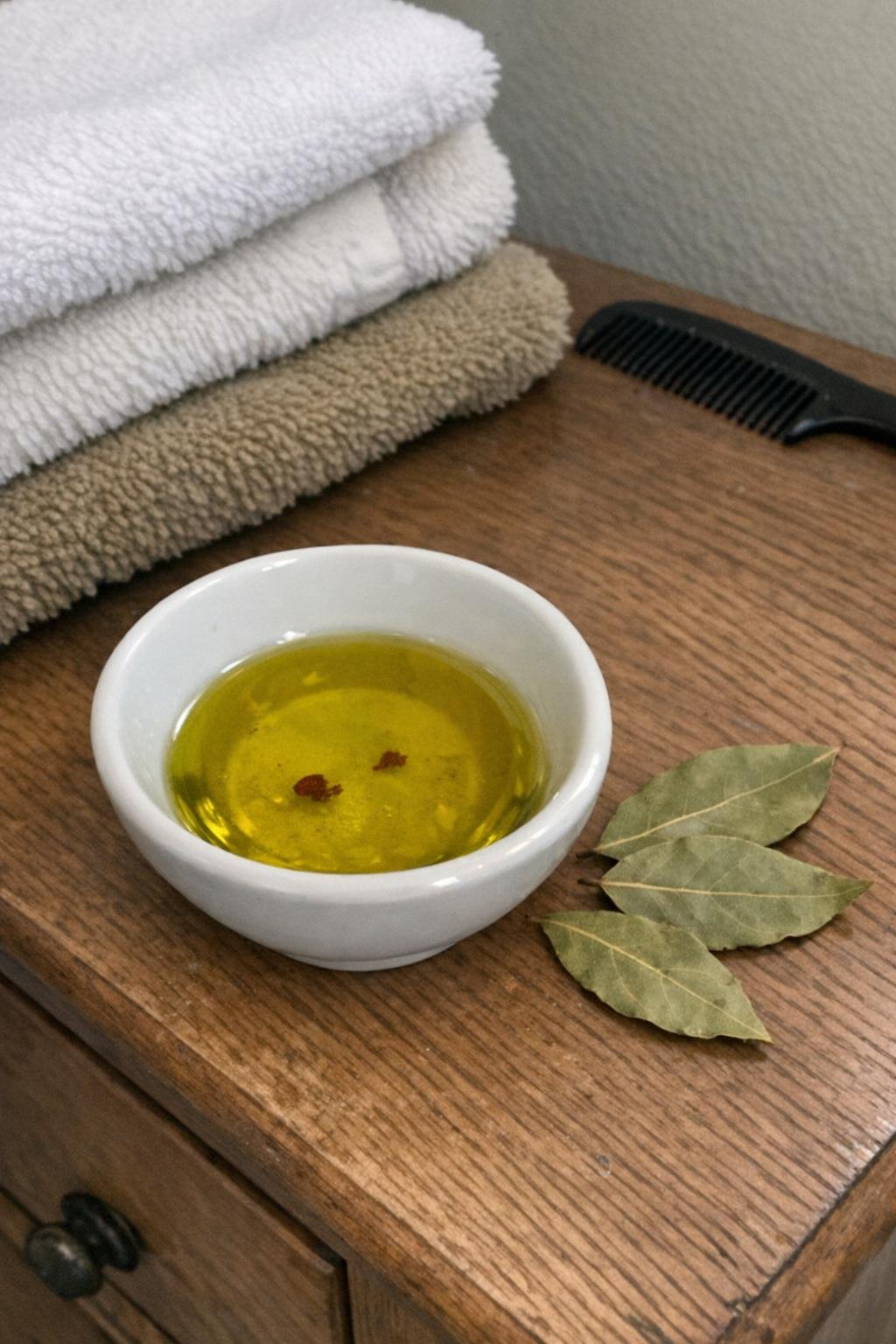
16. Bay and olive oil scalp massage for thin hair
Warm 1 tablespoon of olive oil and mix in 1 or 2 drops of bay essential oil. Massage it gently into the scalp for 2 minutes, leave it on for 30 minutes, then wash it out with shampoo. The thinking behind this old treatment is that a clean, comfortably massaged scalp supports healthier hair conditions, while bay’s stimulating scent makes the routine feel active and warming.
It is important not to overdo the essential oil here. More is not better, and anyone who is pregnant or highly sensitive to fragrance should ask a doctor first or skip it.
17. A pinch of ground bay in beans and lentils against gas
When cooking a pot of beans or lentils, add 1 whole bay leaf at the start, or stir in a small pinch of ground bay, about 1/8 teaspoon per pot. Bay has long been used with legumes because its aromatic compounds pair naturally with earthy flavors and may make a heavy dish feel easier to digest.
For me, this is one of the most useful everyday tricks on the list because it asks almost nothing extra. Just remember to remove any whole leaves before serving.

18. Bay leaves and baking soda to deodorize the fridge and trash can
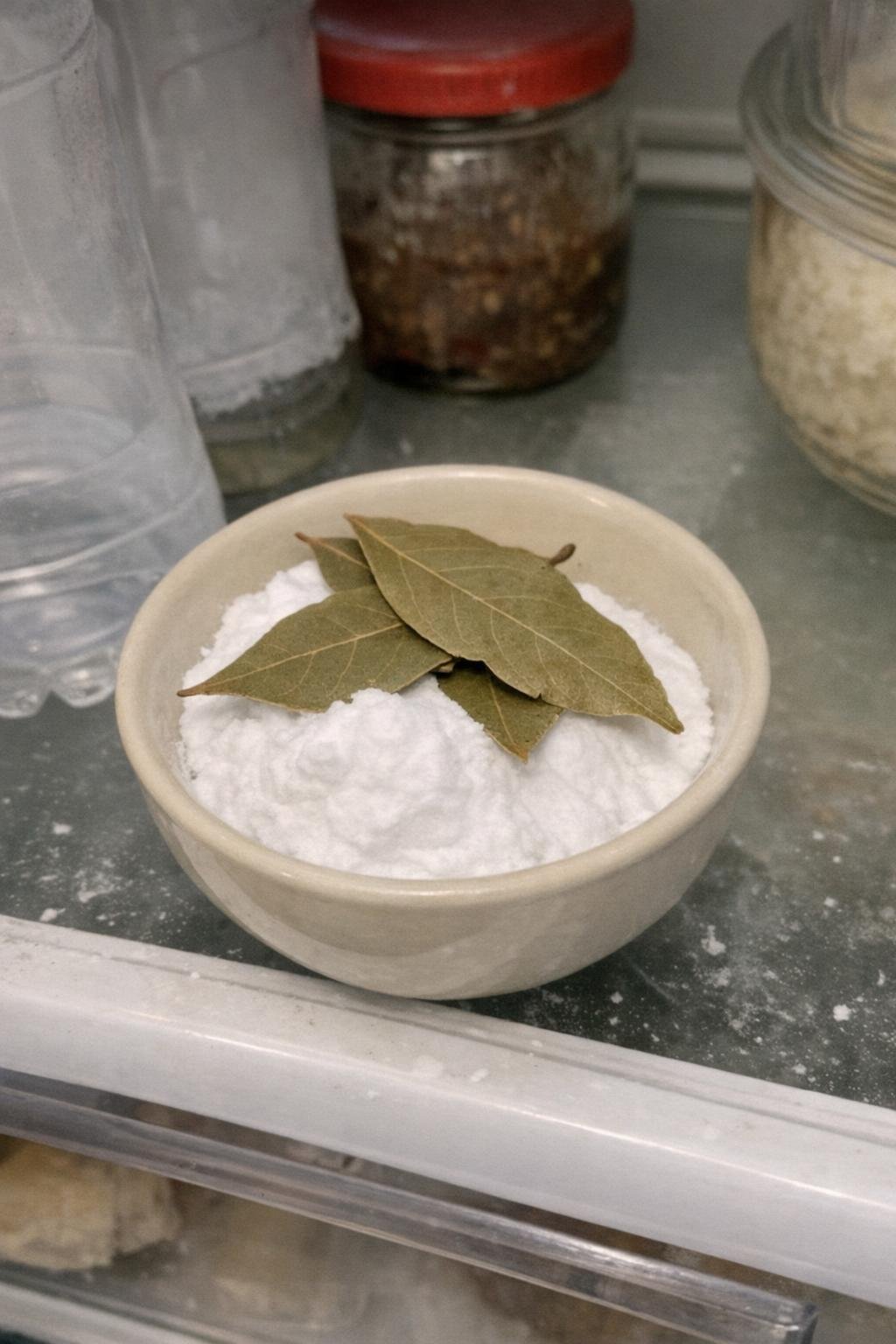
For the fridge, put 3 or 4 dried bay leaves in a small open bowl with 2 tablespoons of baking soda and place it on a shelf for up to 2 weeks. For a trash can, sprinkle 2 tablespoons of baking soda in the bottom and add 2 crushed bay leaves under the liner. Baking soda absorbs odors, while bay adds a dry herbal scent that helps blunt stale smells.
This is not a substitute for cleaning spills or washing the bin, but it does help between clean-outs. Replace the mixture once the bay scent fades or the soda gets damp.
19. Bay leaves under the doormat, in the car and in boots for odors
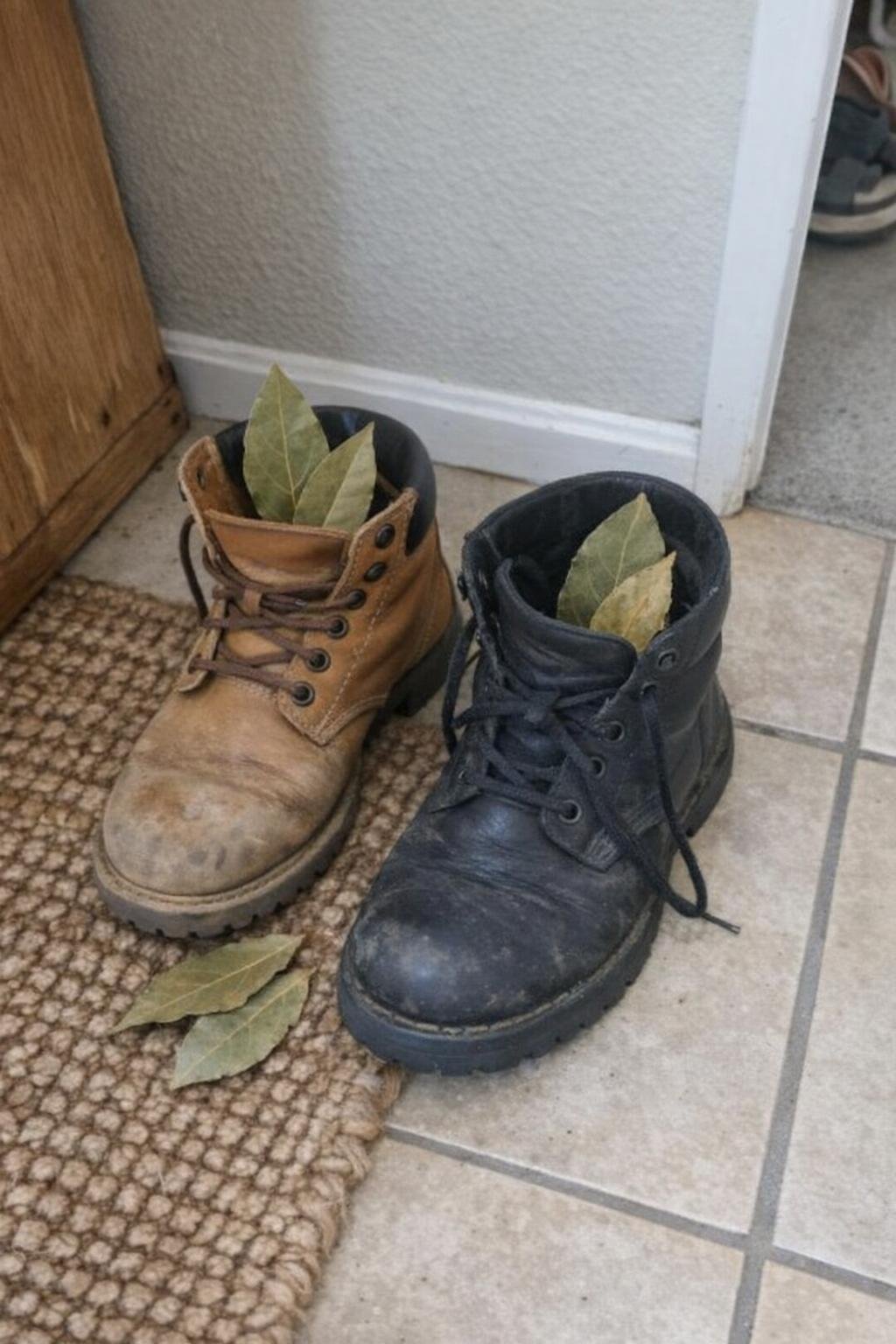
Tuck 2 or 3 dry bay leaves under the doormat, place 1 or 2 in the side pocket of the car door, or drop a leaf into each boot when they are off your feet and dry inside. In all three places, the idea is the same: a dry, aromatic leaf slowly lends a cleaner scent to a closed space. Replace them every couple of weeks, especially in damp weather.
I would not rely on this for serious moisture problems, but it is a simple, old-fashioned freshening trick. Make sure the leaves stay dry, or they will lose their usefulness quickly.
20. A bay leaf sleep sachet under the pillow
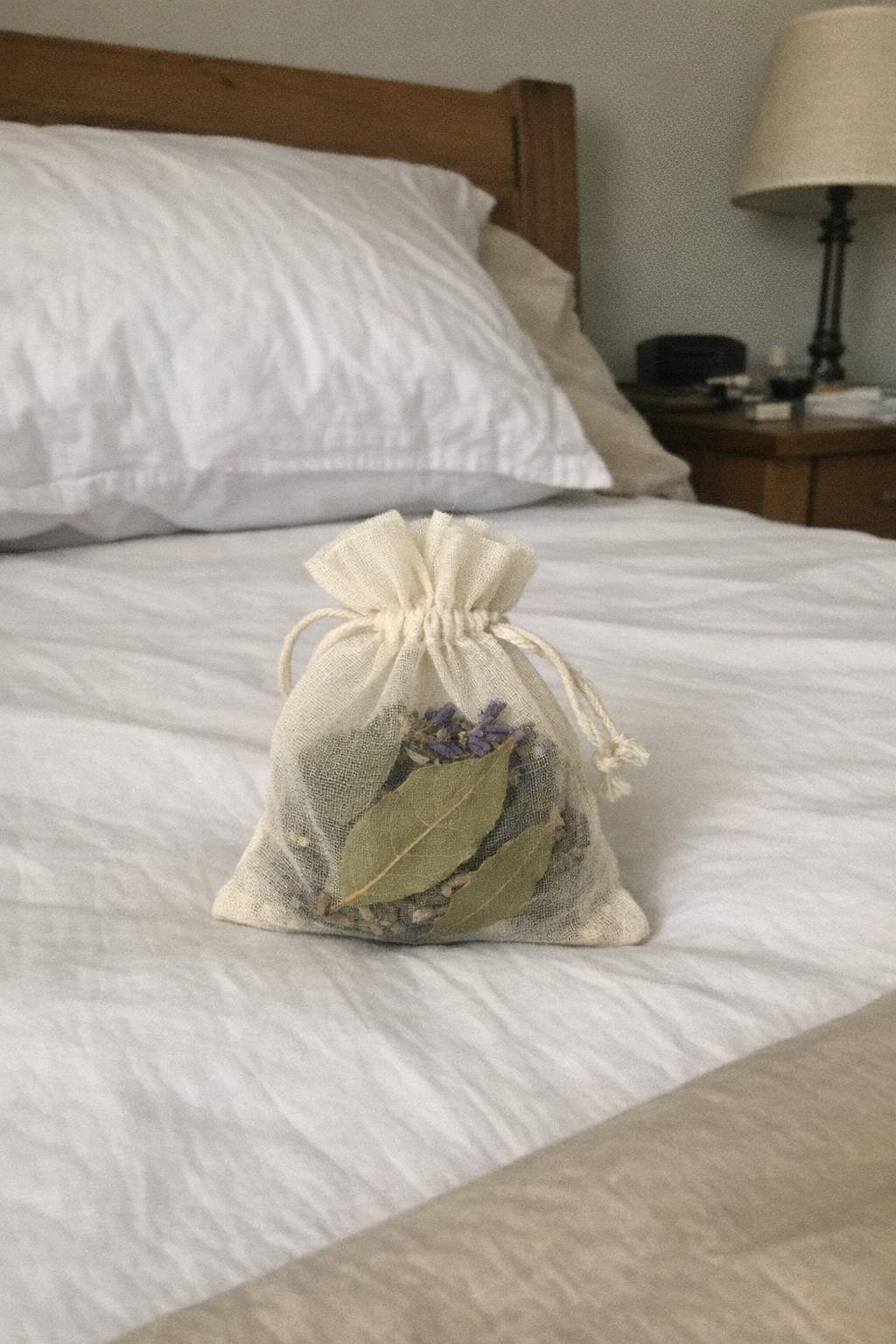
Fill a small cloth bag with 3 or 4 dried bay leaves and 1 teaspoon of dried lavender, then tuck it under the pillow or inside the pillowcase edge so it is nearby but not lumpy. Replace the herbs every 3 to 4 weeks. Bay contributes a warm herbal note, lavender brings the softer floral side, and together they make a bedtime scent that many people associate with winding down.
If you are sensitive to fragrance, keep the sachet on the bedside table first and see how you react. I like this best in winter, when the bedroom windows stay shut and a little natural scent goes a long way.
Bay leaves are humble, cheap, and easy to overlook, but that is exactly why I like them: one jar can scent a room, flavor dinner, freshen storage, and anchor a handful of traditional home rituals. Just use them with a little common sense, especially around flame, steam, essential oils, pregnancy, pets, and any medical condition that deserves a doctor’s guidance.
