
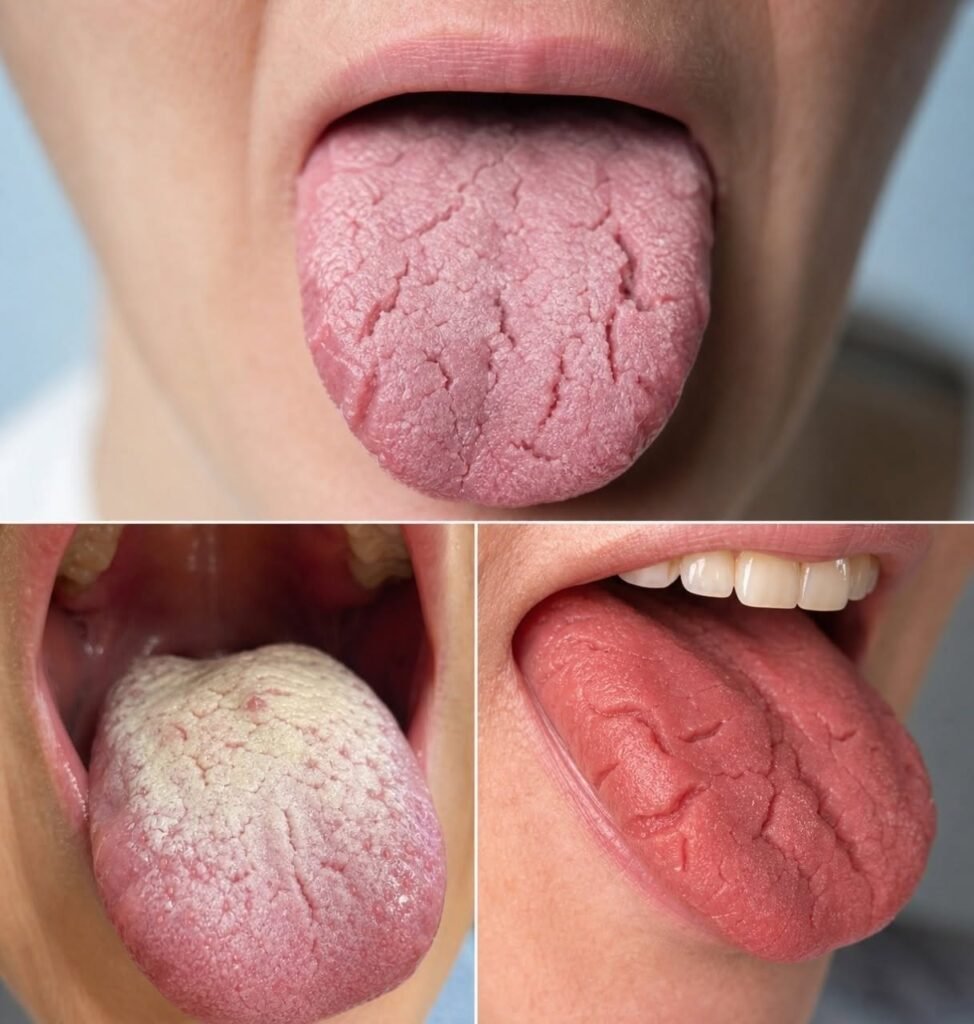
Your tongue can reveal useful information about your oral health. Changes in its color, texture, or appearance may sometimes indicate irritation, dry mouth, or other conditions that deserve attention.
One common change is the appearance of deep grooves or cracks across the surface of the tongue. This condition is often called a fissured tongue.
Some people notice these cracks for the first time while brushing their teeth, while others have had them for years without experiencing discomfort.
A cracked tongue is usually harmless, but understanding its possible causes can help you recognize when additional care may be necessary.
What Is a Fissured Tongue?
A fissured tongue, medically known as lingua plicata, is a condition characterized by grooves, lines, or cracks on the upper surface of the tongue.
These fissures may be shallow or deep and can appear in different patterns.
Some people have one prominent groove running down the middle of the tongue, while others develop several smaller cracks branching outward.
The tongue may otherwise look healthy and pink, although food particles and bacteria can sometimes accumulate inside deeper grooves.
Fissured tongue is generally considered a benign anatomical variation rather than a dangerous disease.
It is also more common as people get older.
1. Natural Tongue Structure and Genetics
One of the most common explanations for a fissured tongue is simply the natural structure of the tongue.
Some people are born with a tendency to develop these grooves, although they may become more noticeable with age.
Genetics may contribute to the condition, and fissured tongues can sometimes occur in multiple members of the same family.
If the cracks have been present for years and are not associated with pain, swelling, or other symptoms, they are often harmless.
In most cases, no medical treatment is necessary.
2. Dry Mouth and Dehydration
A dry mouth can make the surface of the tongue feel rough, sticky, or uncomfortable.
When saliva production decreases, existing tongue fissures may become more noticeable.
Common causes of dry mouth include:
-
Not drinking enough fluids
-
Breathing through the mouth
-
Certain medications
-
Smoking or tobacco use
-
Conditions affecting saliva production
Dry mouth does not necessarily cause a true fissured tongue, but it can make tongue discomfort worse.
Drinking adequate water and maintaining good oral hygiene may help reduce symptoms.
If dry mouth persists, a dentist or healthcare professional can help identify the underlying cause.
3. White Coating on the Tongue
A white coating can develop when bacteria, food debris, and dead cells accumulate on the tongue’s surface.
This is particularly noticeable in people with deep tongue fissures.
In many cases, the coating improves with gentle tongue cleaning and regular oral hygiene.
However, persistent white patches may sometimes indicate other conditions, including oral thrush.
Oral thrush is a fungal infection caused by an overgrowth of Candida yeast.
It may produce creamy white patches, redness, soreness, or a burning sensation.
Unlike an ordinary tongue coating, some oral thrush patches can leave a red or irritated surface when wiped away.
A healthcare professional can determine whether treatment is necessary.
4. Nutritional Deficiencies
Certain nutritional deficiencies can affect the appearance and comfort of the tongue.
For example, low levels of vitamin B12, iron, or folate may contribute to inflammation of the tongue, also known as glossitis.
Symptoms may include soreness, burning, changes in tongue color, or a smooth-looking tongue.
However, a fissured tongue alone is not reliable evidence of a vitamin deficiency.
Blood tests may be recommended when symptoms or medical history suggest a nutritional problem.
Taking supplements without confirming a deficiency is not always necessary and may sometimes be inappropriate.
✦ Continued on the next page →
5. Geographic Tongue
Geographic tongue is another usually harmless condition that can occur alongside fissured tongue.
It causes irregular, smooth, reddish patches on the tongue that may have pale or whitish borders.
These patches can change location or appearance over time.
Some people experience no discomfort, while others notice sensitivity when eating spicy, acidic, or very hot foods.
Geographic tongue is not contagious and is not generally considered dangerous.
When symptoms occur, avoiding foods that trigger irritation may help.
6. Irritation from Food and Oral Products
Certain foods and oral care products can irritate a sensitive tongue.
Common triggers include spicy foods, acidic fruits, alcohol-containing mouthwashes, and very hot beverages.
People with deeper fissures may experience additional discomfort when irritating substances come into contact with the grooves.
Switching to a gentle toothpaste and avoiding known triggers may help reduce irritation.
If symptoms persist, professional evaluation is recommended.
7. Smoking and Tobacco Use
Smoking and other forms of tobacco use can affect the health of the mouth and tongue.
Tobacco may contribute to dry mouth, discoloration, and irritation of oral tissues.
It also increases the risk of several serious oral conditions, including oral cancer.
A fissured tongue itself does not mean someone has oral cancer.
However, any persistent sore, unusual lump, unexplained bleeding, or white or red patch that does not heal should be evaluated by a healthcare professional.
How to Keep a Fissured Tongue Clean
Although fissured tongue usually does not require treatment, proper oral hygiene is important.
Food debris can collect inside deeper grooves and sometimes contribute to unpleasant breath or irritation.
Clean Your Tongue Gently
Use a soft toothbrush or a gentle tongue cleaner to remove surface debris.
Avoid aggressive scraping, which may damage sensitive tissue.
Brush and Floss Regularly
Brush your teeth twice daily with fluoride toothpaste and clean between your teeth every day.
Good dental hygiene helps reduce the buildup of bacteria throughout the mouth.
Stay Hydrated
Drink water regularly, especially if you frequently experience dry mouth.
Avoid Irritating Products
If certain mouthwashes or toothpastes cause burning, consider switching to gentler alternatives.
Schedule Dental Checkups
Routine dental visits allow a professional to examine your tongue and identify changes that may need attention.
When Should You See a Doctor or Dentist?
A fissured tongue is usually harmless, but some symptoms should not be ignored.
Seek professional evaluation if you experience persistent tongue pain, burning, swelling, unexplained bleeding, or difficulty eating.
You should also arrange an examination if you notice:
-
White or red patches that do not disappear
-
A sore or ulcer lasting longer than two weeks
-
A new lump or thickened area
-
Persistent bad breath despite good oral hygiene
-
Rapid or unexplained changes in tongue appearance
Sudden tongue swelling accompanied by difficulty breathing or swallowing requires emergency medical attention.
Can a Fissured Tongue Be Cured?
A naturally fissured tongue generally does not need to be cured.
The grooves may remain throughout life, and their appearance can become more noticeable with age.
There is no established treatment that permanently removes harmless anatomical fissures.
When discomfort occurs, treatment focuses on the underlying problem, such as dry mouth, irritation, or infection.
For example, oral thrush may require antifungal medication prescribed by a healthcare professional.
If a nutritional deficiency is confirmed, correcting that deficiency may improve associated tongue inflammation.
Frequently Asked Questions
Is a Cracked Tongue Dangerous?
Usually not. A fissured tongue is generally a harmless variation of tongue anatomy.
However, pain, persistent lesions, or other unusual symptoms should be examined.
Does a Cracked Tongue Mean You Are Dehydrated?
Not necessarily.
Dehydration may contribute to dry mouth and make existing fissures more noticeable, but it is not the only explanation.
Is a Fissured Tongue Contagious?
No. Fissured tongue itself is not an infectious or contagious condition.
Can Stress Cause Tongue Cracks?
Stress is not an established direct cause of fissured tongue.
However, stress-related behaviors, such as mouth breathing or changes in oral habits, may contribute to dryness or discomfort.
Should You Scrape a White-Coated Tongue?
Gentle tongue cleaning may help remove ordinary surface buildup.
Avoid forceful scraping, especially if the tongue is painful or irritated.
Persistent white patches should be evaluated rather than repeatedly scraped.
Final Thoughts
A cracked or fissured tongue may look unusual, but it is often a completely harmless condition.
For many people, the grooves are simply part of their natural tongue structure.
Dry mouth, irritation, and debris buildup can sometimes make the cracks more noticeable or uncomfortable.
A white coating may be caused by ordinary surface buildup, although persistent patches can occasionally indicate an infection or another oral condition.
The most important thing to remember is that tongue appearance alone cannot reliably diagnose a medical condition.
Maintaining good oral hygiene, drinking enough water, and paying attention to persistent symptoms are practical ways to protect your oral health.
